
Free shipping on all orders over US$50
Copiapoa Humilis Seeds
Copiapoa Humilis Seeds
Copiapoa Humilis is a small drought-tolerant cactus with yellow flowers, ideal for rock gardens or containers.

Delivery
All orders shipped with UPS Express.
Always free shipping for orders over US $250.
All orders are shipped with a UPS tracking number.
Returns
Items returned within 14 days of their original shipment date in same as new condition will be eligible for a full refund or store credit.
Refunds will be charged back to the original form of payment used for purchase.
Customer is responsible for shipping charges when making returns and shipping/handling fees of original purchase is non-refundable.
All sale items are final purchases.
Help
Give us a shout if you have any other questions and/or concerns.
Email: contact@domain.com
Phone: +1 (23) 456 789
Availability: In stock
SKU
Copiapoa Humilis
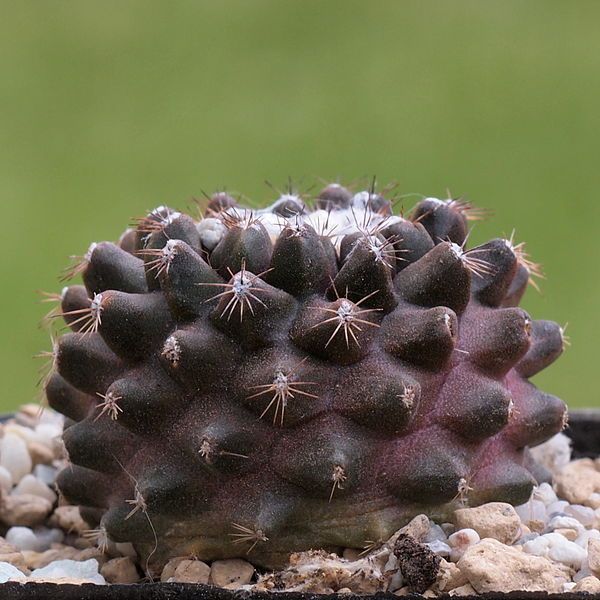
Copiapoa humilis, commonly known as the Dwarf Copiapoa, is a striking, small cactus species native to the arid regions of northern Chile. Known for its compact size and unique appearance, this cactus is a popular choice for collectors and enthusiasts of succulent plants. It is part of the *Copiapoa* genus, which is renowned for its distinctive, spiny, globular forms.
The Dwarf Copiapoa features a globular body that is covered with dense, light-colored spines. These spines are typically yellow or white and contrast beautifully with the deep green or bluish-green skin of the cactus. The plant is slow-growing, forming small, cylindrical stems that may reach about 10-15 cm in height and 5-7 cm in diameter. *Copiapoa humilis* produces small, yellow flowers, typically blooming in the spring or early summer, adding a touch of brightness to its otherwise spiny appearance.
Copiapoa humilis is well-suited to dry, desert-like environments, and thrives in well-draining soils with plenty of sunlight. As a cactus, it is highly drought-tolerant and does not require frequent watering. In fact, overwatering can lead to root rot, so it is important to allow the soil to dry out completely between waterings. This cactus prefers temperatures on the warmer side and can tolerate high heat but is sensitive to frost.
Due to its small size and attractive appearance, *Copiapoa humilis* is often grown in decorative containers or as part of a succulent or cactus garden. It is ideal for use in rock gardens, patios, or windowsills, where its unique form can be fully appreciated. The plant also makes a perfect addition to a xeriscape garden, where water conservation is a priority.
Copiapoa humilis is relatively easy to care for, provided its basic needs are met. It thrives in environments with excellent drainage, such as sandy or rocky soils, and should be placed in a sunny location where it can receive several hours of direct sunlight each day. It is an excellent choice for cactus and succulent enthusiasts, particularly those interested in rare or less commonly grown species.
Overall, *Copiapoa humilis* is a beautiful and hardy cactus that can add a touch of elegance to any collection. Its compact size, interesting spines, and ability to thrive in dry conditions make it a perfect plant for both novice and experienced growers.
| Label | Copiapoa Humilis |
|---|---|
| Common name | Copiapoa |
| Family | Cactaceae |
| Genus | Copiapoa |
| Species | Copiapoa humilis |
| Germination | Unless you have a heated greenhouse, it's best to sow cactus seed in the late spring. 1. Use a mixture of potting soil and sand. Firm down and make the surface level. Remember that cacti roots must have a well-draining porous soil which can easily be re-moistened. Some commercial potting soils have been developed specifically for cacti. 2. Scatter your mixed cactus seeds over the surface of the compost, taking care not to sow them too thickly. Sow them just enough sand to anchor them. 3. Gently sprinkle a thin layer of silver sand over the seeds, covering the whole surface of the compost. Dampen the soil enough to wet the seed. When the soil dries out completely, use a mister to keep it moist. Do not over water. 4. Leave the pot in a greenhouse or on a warm windowsill, covered with a sheet of glass and a layer of paper. Make sure to wipe away any condensation that may form. 5. Remove the glass once seedlings develop - these will be large enough to prick out by next spring. Place the seedlings in light, but not in direct sunlight. Keep temperatures around 70 degrees F (21 degrees C). 6. Next spring, gently tease out individual cacti, and plant out in a tray of gritty compost. Water well. 7. As they grow taller, carefully transplant some of the larger cacti into bigger pots to give them room. 8. Finally, plant individually into small terracotta pots. Water and feed, and repot annually as they grow. |