Free shipping on all orders over US$50
Search results for: 'PLANTA ARECA'
Related search terms
-

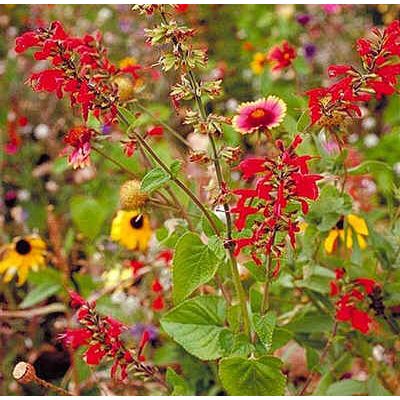
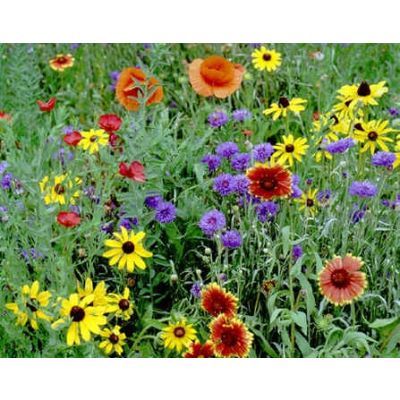
Wildflower Seeds Mix : Texas Flower Seeds (Midwest America)
Starting at US$1.90
Do not fertilize wildflowers unless the soil is extremely depleted of nutrients. Fertilizers encourage weed growth and lush foliage rather than flowers. -
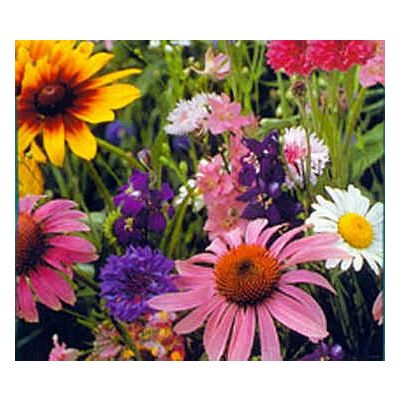
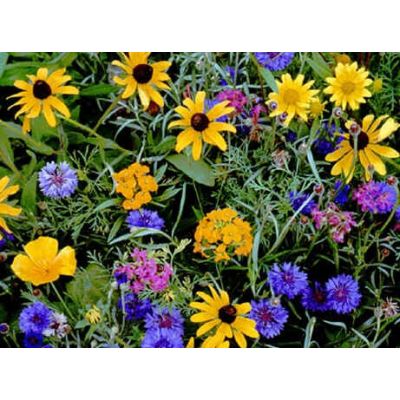
Wildflower Seeds Mix (Butterfly Flower Seeds)
Starting at US$2.25
This mix contains all the right flowers to achieve an ideal garden for the butterflies. -
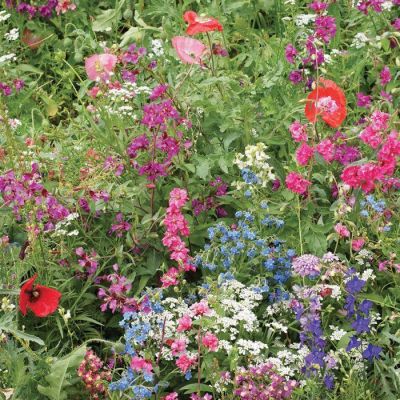
Wildflower Seeds Mix : Pacific Flowers (Northwest America)
Starting at US$1.90
The mix includes approximately 27 easy to grow species of annuals, perennials and biennials. -
Wildflower Seeds Mix : Shade Flowers Seeds
Starting at US$1.90
Wildflowers that bloom in the shade, and a special selection it is. This mix is a wonderful way to enhance the natural beauty unique to a special part of your world. -
Wildflower Seeds Mix : Northeast Flowers Seeds (America)
Starting at US$1.90
They contain both native and non-native wildflowers. Non-native species were chosen on the basis of their versatility or ability to adapt to various conditions. -
Wildflower Seeds Mix : Mountain Flowers (America)
Starting at US$1.90
Many of the varieties do well in higher elevations with limited moisture. This mix is formulated for all Western elevations around 7,000 feet. -
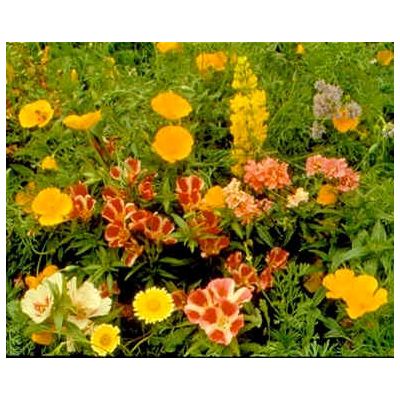
Wildflower Seeds Mix : California Flower Seeds (Southwest America)
Starting at US$1.90
In this mix you get 25 species of wildflowers. Planting wildflowers is easy! -
Wildflower Seeds Mix : Low Growing Flower Seeds
Starting at US$1.90
This choice mixture contains both annuals and perennials--none of which grow taller than a few inches! -
Ibicella Lutea Seeds (Devil's Claws)
Starting at US$9.50
If you live in an area that has hot Summers, expect the plants to be at least a meter across. -
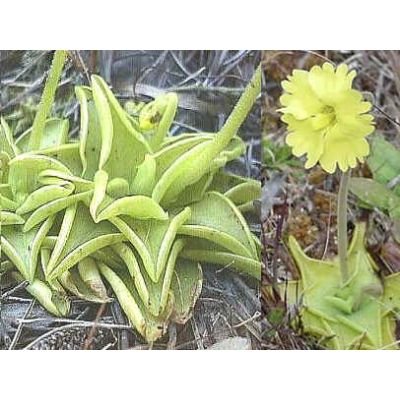
Pinguicula Lutea Seeds (Yellow Butterwort Seeds)
Starting at US$3.30
This species stays all the time under rosette form. This is a large Butterwort, the rosettes can be up to 6 inches or 15 cm across. -
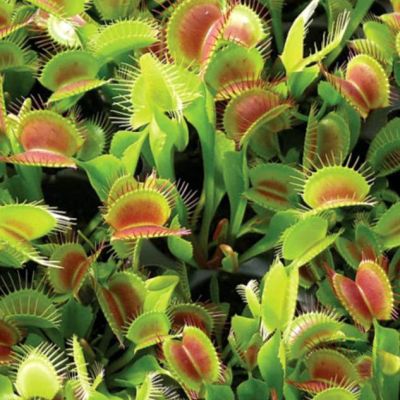
Dionaea Muscipula Seeds (Venus Flytrap Seeds)
Starting at US$3.90
The most well known species of carnivorous plants. Traps have a limited number of false alarms. Don't stimulate them too often. Artificially springing the trap drains the plant's energy. -
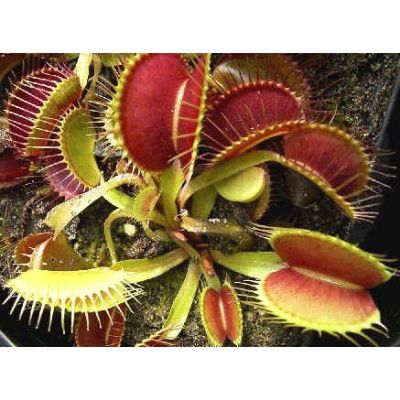
Dionaea Muscipula Giant Forms Seeds Mix (Venus Flytrap Seeds)
Starting at US$10.80
Carnivorous plant that usually digests within 3-5 days. -
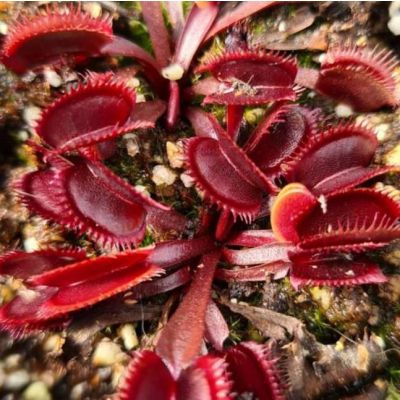
Dionaea Muscipula Red Forms Seeds Mix (Venus Flytrap Seeds)
Starting at US$3.90
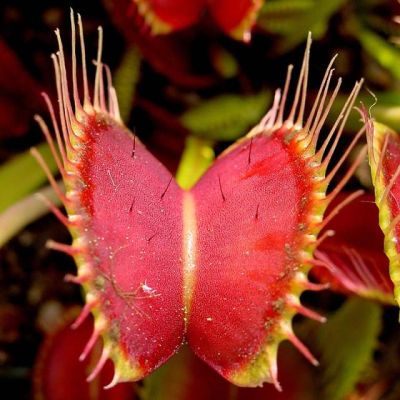
The trap of the Venus Flytrap is one of Nature's most amazing marvels. The outer edges of the two clamshell-like halves are lined with nectar glands and stout bristles. -
Dionaea Muscipula Seeds Mix of Other Forms (Venus Flytrap Seeds)
Starting at US$2.90
This is a mix of different forms of Venus Flytrap. -
Daylily Tetraploid Seeds Hybrids Mix
Starting at US$3.75
There is 20 hybridized species in this mix. You will obtain the most beautiful hemerocallis. -
Daylily Diploid Seeds Hybrids Mix (Fine Daylilies Seeds Mix)
Starting at US$1.50
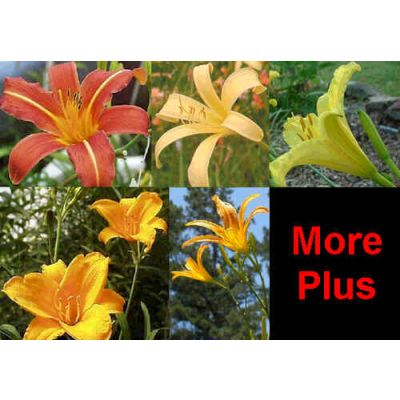
This is a mix of Diploid Hemerocallis hybrids. Those Daylilies can yield large to small sized flowers, of red, pink, cream, yellow, orange, fragrant or not, trumpet-shaped or spider. -
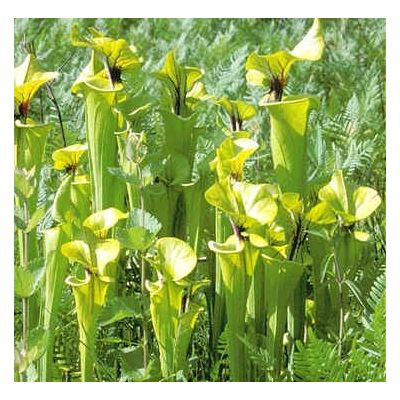
Sarracenia Alata Seeds (Pale Pitcher Plant Seeds)
Starting at US$3.50
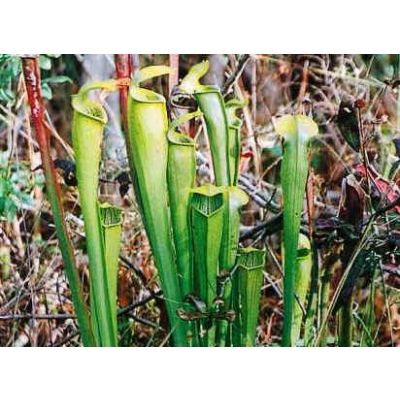
Seeds from Nicholson area, Mississippi. They trap their prey by offering them nectar to sip which is secreted around the lip of the plant and also at the base of the lid. -
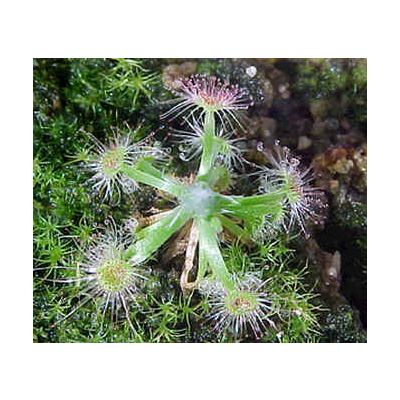
Drosera Pygmaea Seeds (Pygmy)
Starting at US$3.50
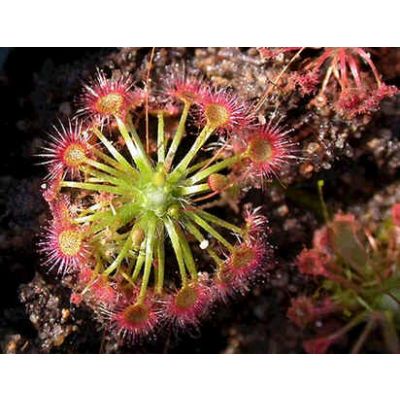
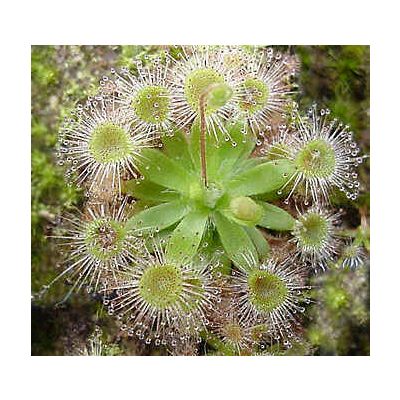
Although some people are put off by their size, their beauty lie in numbers. Because of the gemmae, the plants quickly cover the growing area, forming dense mats. -
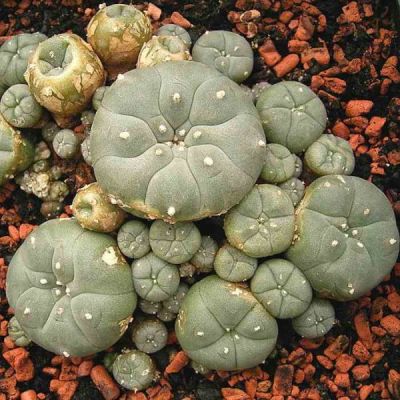
Peyote Seeds For Sales : Lophophora Williamsii
Starting at US$4.60
This type of cactus is a very important religious sacrament in many cultures in Cental and North-America. -
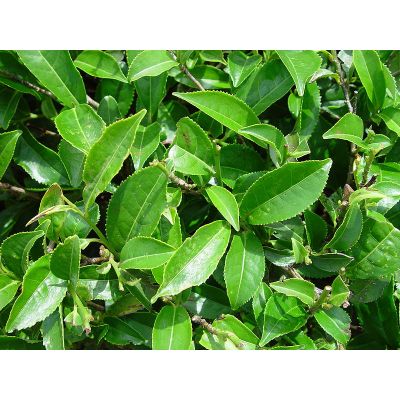
Camellia Sinensis Seeds - Tea Seeds
Starting at US$4.90
Hot drink made from its leaves. Appreciated for its stimulant properties and health benefits. -
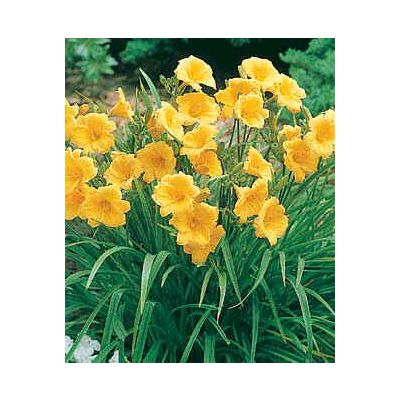
Daylily Stella d'Oro Diploid Seeds (Hemerocallis Seeds)
Starting at US$2.25
Daylilies are easy to grow, healthy, long lived garden plants and multiplying without much care. -
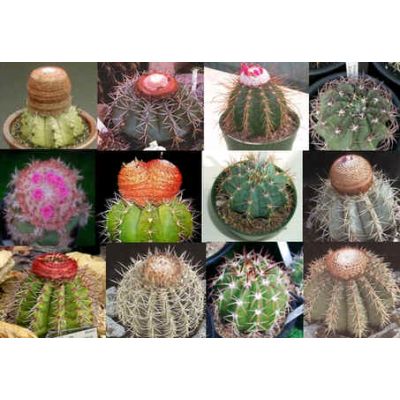
Melocactus Seeds Mix
Starting at US$1.90
The Melocactus flowers are generally a shade of pink or red. They come in abondance from spring to fall depending on the species. They are followed by fleshy fruit. -
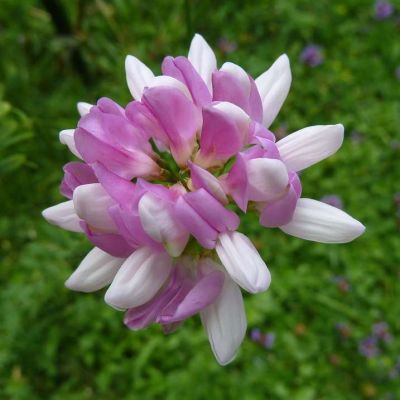
Crown Vetch Seeds (Coronilla varia)
Starting at US$2.20
Vibrant ground cover with pink and white flowers, ideal for soil stabilization and adding beauty to diverse landscapes.
-
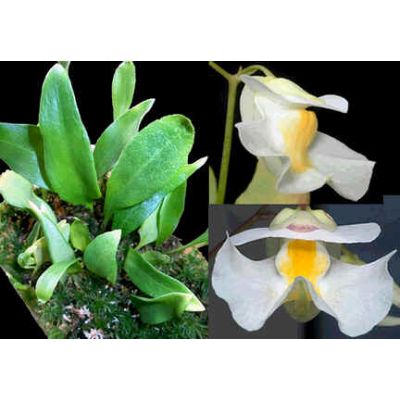
Utricularia Alpina Seeds (Alpine Bladderworts Seeds)
Starting at US$3.30
The leaves are elliptical 5 to 20 cm long. They are generally grown for their spectacular flowers that can put orchids to shame. -
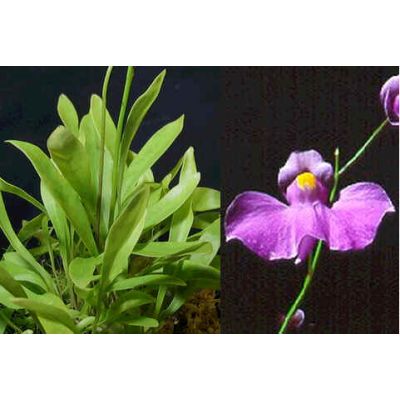
Utricularia Longifolia Seeds (Utricularia Seeds)
Starting at US$3.30
One of the easiest epiphytes to grow. -
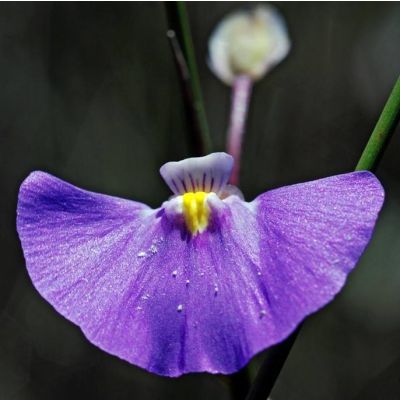
Utricularia Volubilis Seeds (Twining bladderwort Seeds)
Starting at US$3.50
It bears large violet flowers on twining scapes to 90 cm. Its filamentous leaves can be up to 30 cm long and its pigmented traps up to 5 mm large. -
Utricularia Odorata Seeds (Utricularia Seeds)
Starting at US$3.50
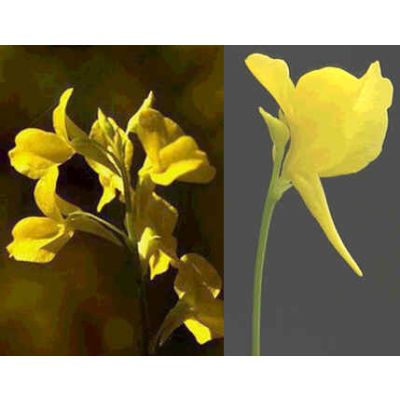
The flowers are yellow with palate bearing fine black lines. True to its name, the flower of Utricularia odorata has a pleasant aroma. -
Utricularia Dichotoma Seeds (Bladderworts Seeds)
Starting at US$3.30
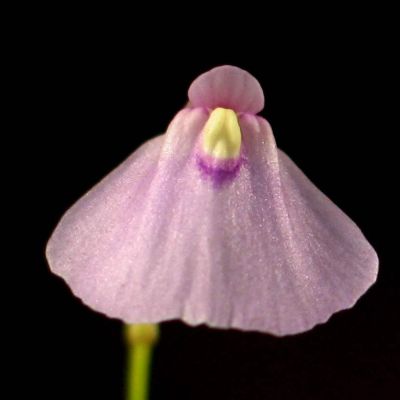
This small carnivorous herb of wet areas, is only likely to be seen in nature when in flower. -
Candle Bush Seeds (Senna Alata)
Starting at US$2.20
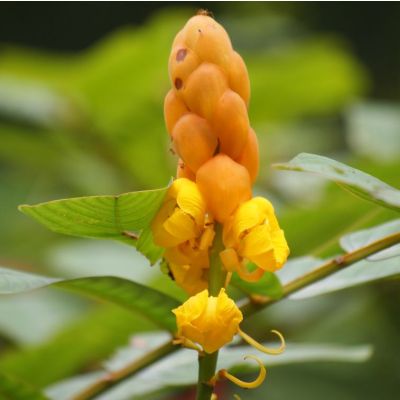
It is native to South America, but has been planted widely for medicinal and ornamental flowering purposes... -
Althaea Officinalis Seeds (Marshmallow Seeds )
Starting at US$1.80
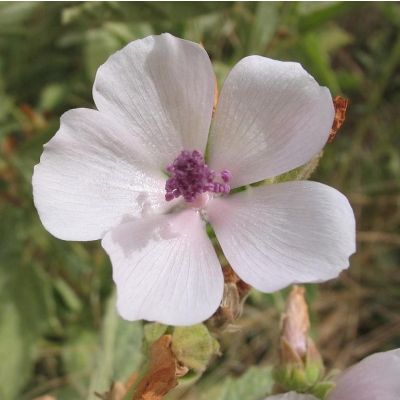
Medicinal plant used as a soothing cream. Originally used for cooking marshmallow. -
-
Utricularia Juncea Seeds (Southern Bladderwort)
Starting at US$3.50
Utricularia juncea has a short purplish flower stalk. Produces a moss-like mat of bright green leaves less than 4 mm long. -
Sarracenia Leucophylla Seeds (White-Topped Pitcher Plant Seeds)
Starting at US$3.50
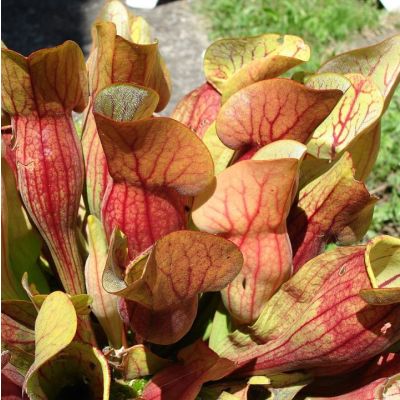
Leucophylla will put up pitchers with their blooms each Spring, but the Fall is when these plants really start to show off. -
Utricularia Multifida Seeds (Polypompholyx Seeds)
Starting at US$3.30
The leaves are ovale, 1 cm long and of a light green. The tall pedoncule can bear up to 8 pink flowers and height 23 cm tall. They are generally grown for their flowers. -
Sarracenia Psittacina Seeds (Parrot Pitcher Plant Seeds)
Starting at US$3.50
This is an unusual plant that looks very different from any of the other Sarracenia. The pitchers have what almost looks like a beak above the small mouth of the pitcher, hence the common name Parrot Pitcher Plant. -
Sarracenia Alata Red Throat Seeds (Pale Pitcher Plant Seeds)
Starting at US$3.50
Sarracenia alata Red Throat is green with a red interior lid and a red throat. Although this carnivorous plant looks its best in September, it produces delicate looking yellow to cream colored flowers on tall stems in the early Spring. -
-
Sarracenia Flava Rugelii Seeds (Sarracenia Flava Seeds)
Starting at US$3.50
These plants can get very tall, even in small pots. They will slow down growth after mid Summer. The pitchers reach up to 30 inches in height. -
Drosera Androsaceae Seeds (Cone Sundew) (Pygmy)
Starting at US$5.80
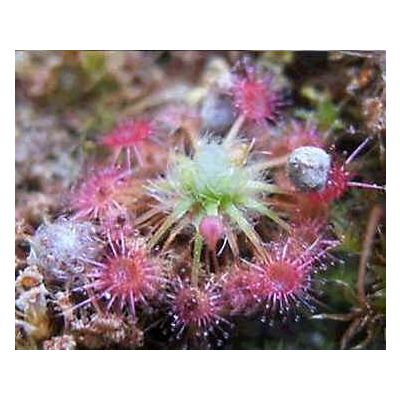
Another startling feature of the Pygmy Sundews are their size. Normally the plants grow to a maximum diameter of half an inch. Although some people are put off by their size, their beauty lie in numbers. -
Drosera Anglica Seeds
Starting at US$3.30
Protect from dry freezing wind during deep freezes by covering the plant with black plastic. Uncover the plant when the deep freeze and dry freezing wind is over. -
Sarracenia Flava x Sarracenia Purpurea Venosa Seeds
Starting at US$3.50
The hybrids can be highly variable, but they should be upright, very red, looking like Sarracenia flava but with the caracteristic lid of Sarracenia purpurea venosa. -
Drosera Pulchella Seeds (Pygmy)
Starting at US$3.50
Another startling feature of the Pygmy Sundews are their size. Normally the plants grow to a maximum diameter of half an inch. The rosettes are about 1.5 cm across and golden-green in color, more red under bright light. -
Drosera Nitidula Seeds (Pygmy)
Starting at US$3.30
Each leaf consists of a thin petiole and a round, red lamina measuring up to 2 mm in diameter. Leaves in a convex rosette. The rossettes are about 1.5 - 2 cm. It flowers early Spring to mid Summer. -
Sarracenia ssp. Seeds Mix
Starting at US$2.90
This is a mix of Sarracenia, a mix of the most commun species, Sarracenia alata, flava, leucophylla et purpurea. -
Arisaema Triphyllum Seeds (Jack-in-the-Pulpit Seeds, Indian Turnip Seeds)
Starting at US$3.60
The flowers appear through the Spring and into the Summer. They are irregular in shape and are up to 8 cm long. -
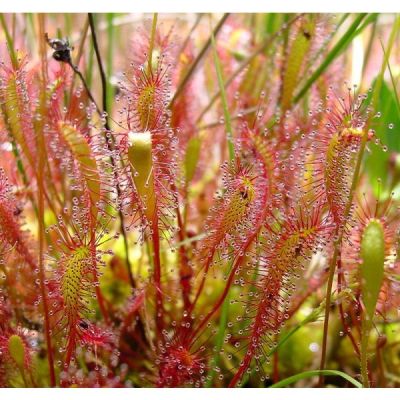
Drosera Filiformis Seeds (Thread-leaved Sundew)
Starting at US$3.30
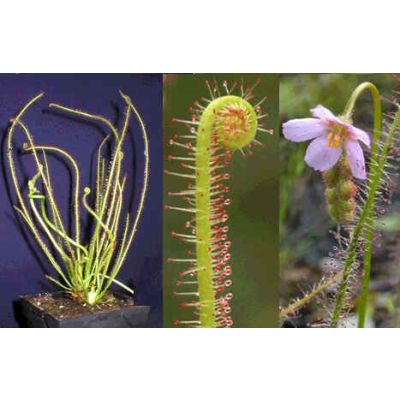
Requires consistently moist soil; do not let dry out between waterings. Water must be distilled or rain water because they do not tolerate city or hard water. -
Drosera Regia Seeds (King Sundew) (South African)
Starting at US$5.80
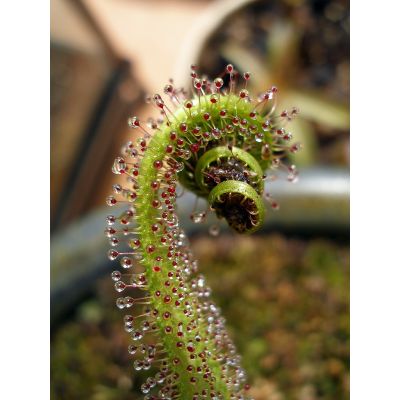
Leaves curl around any captured prey like a fist. -
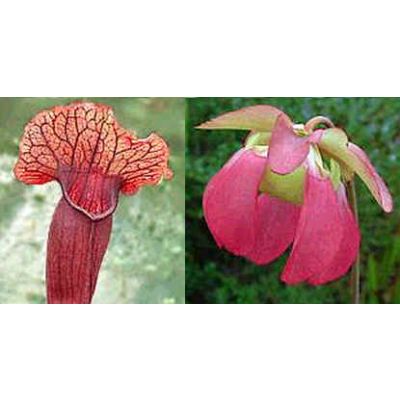
Sarracenia Purpurea Venosa Burkii Seeds (Sarracenia Rosea Seeds)
Starting at US$3.50
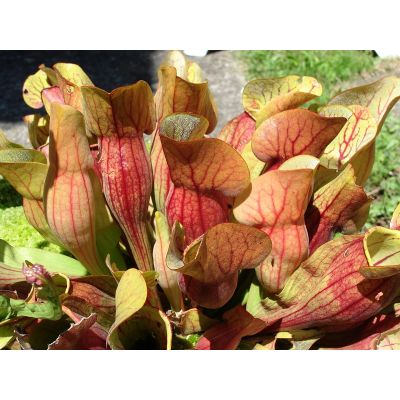
This plant produces attractive deep red flowers in Spring, and are up to 2.5 inches, 6.5 cm across. The pitchers are produced each year from stems arising from the rhizomes and remain evergreen. -
Nymphaea Stellata Seeds (Purple Water Lily Seeds)
Starting at US$1.50
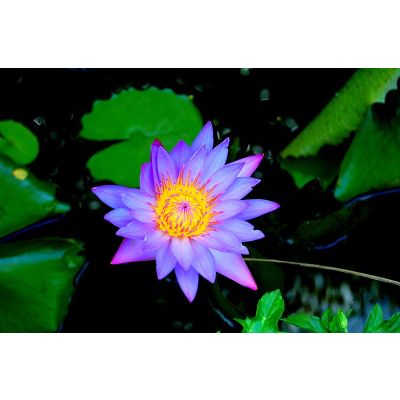
This Nymphaea is quite cold tolerant, sweetly fragrant, and blooms all year round in hot climate. -
Drosera Erythrorhiza Squamosa Seeds (Red Ink Sundew)
Starting at US$3.60
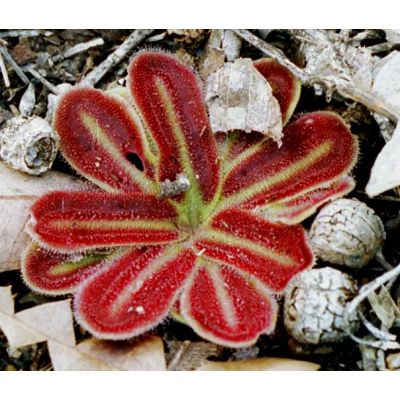
Very rare carnivorous plant!