
Free shipping on all orders over US$50
Citrus Medica Seeds (Citron Seeds)
Citrus Medica Seeds (Citron Seeds)
The soil should be moist, well-drained, deep and fertile. Produces large odorant flowers.

Delivery
All orders shipped with UPS Express.
Always free shipping for orders over US $250.
All orders are shipped with a UPS tracking number.
Returns
Items returned within 14 days of their original shipment date in same as new condition will be eligible for a full refund or store credit.
Refunds will be charged back to the original form of payment used for purchase.
Customer is responsible for shipping charges when making returns and shipping/handling fees of original purchase is non-refundable.
All sale items are final purchases.
Help
Give us a shout if you have any other questions and/or concerns.
Email: contact@domain.com
Phone: +1 (23) 456 789
Availability: In stock
SKU
Citrus Medica
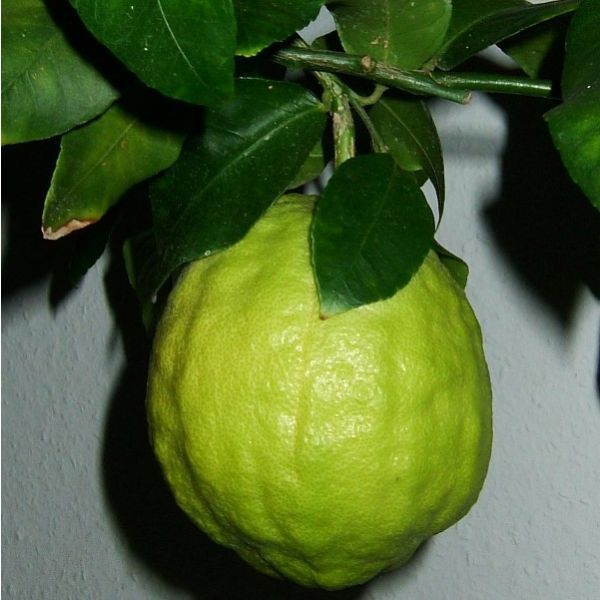
Citrus medica, commonly known as the Citron, is a large, fragrant citrus fruit that has been cultivated for thousands of years. Native to the Indian subcontinent and the foothills of the Himalayas, the Citron is one of the oldest cultivated citrus species and is known for its unique, thick, bumpy rind and distinct, aromatic fragrance.
The fruit is typically yellow when ripe, with a thick, yellow rind that is covered in prominent bumps. The interior pulp is usually minimal, with large, bitter seeds and very little juice. While not commonly eaten fresh due to its intense bitterness, the Citron is highly valued for its zest and peel, which are used in cooking, baking, and the production of preserves and candies.
Citrus medica thrives in subtropical and tropical climates, preferring well-drained, slightly acidic soils. It requires plenty of sunlight to produce its characteristic fragrant rind, and regular watering is essential for maintaining healthy growth. The tree itself is evergreen, with dark green, glossy leaves that contrast beautifully with its fragrant, white blossoms.
This fruit has significant cultural and medicinal importance. In ancient times, it was used for medicinal purposes in traditional remedies and has been a symbol of wealth and good fortune in various cultures. Citron is still widely used in religious ceremonies, particularly in Jewish traditions, where it is one of the four species used during the Sukkot festival.
Citron's thick peel is commonly used to make a variety of food products, including candied fruit and marmalades. In addition to culinary uses, the essential oils extracted from the peel are used in perfumes and cosmetics, thanks to their refreshing and uplifting fragrance.
Citrus medica is also an excellent addition to ornamental gardens, offering both aesthetic appeal and culinary value. Its fragrant blossoms and striking fruit make it a standout in any landscape, while its uses in cooking and traditional remedies continue to make it a valuable plant in various cultures.
| Common name | Citron |
|---|---|
| Species | Citrus medica |
| Germination | Use a mix of humus and garden soil, with no limestone. Plant seeds at 0.5 inch of depth. Water abundantly; reduce to twice a week in winter. Give your plant a rich fertilizing treatment twice a month. Germination time is usually pretty short. Your seeds should germinate in a month, but it could be more. Don?t get discouraged. |
| Price View | Price Range |