Free shipping on all orders over US$50
Search results for: 'Western'
Related search terms
-

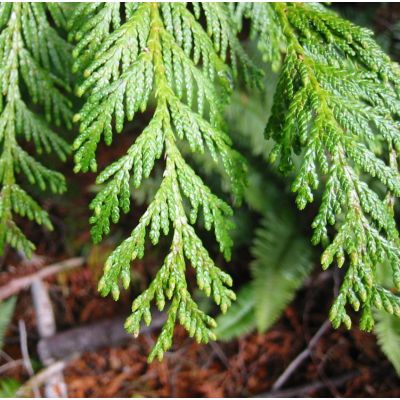
Western Red Cedar Seeds (Thuja plicata)
Starting at US$2.20
Tall, fragrant evergreen perfect for hedges, privacy screens, or windbreaks.
-
Tsuga Heterophylla Seeds (Western Hemlock Seeds)
Starting at US$2.80
Tsugas are typically tall, graceful trees with spreading branches that droop downwards at the tips creating a cascading effect. It is growing at a fast rate. -
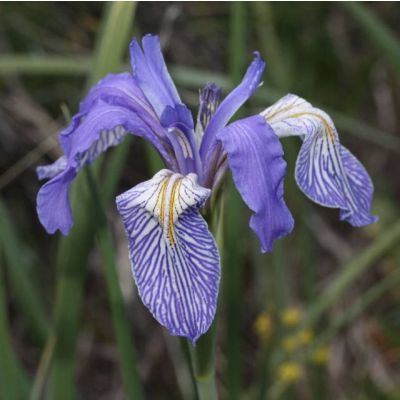
Iris Missouriensis Seeds (Western Blue Flag Seeds)
Starting at US$1.90
Delicate blue-purple to lilac flowers with a dark yellow-orange stripe down the middle of the petal. It is in flower from May to June. -
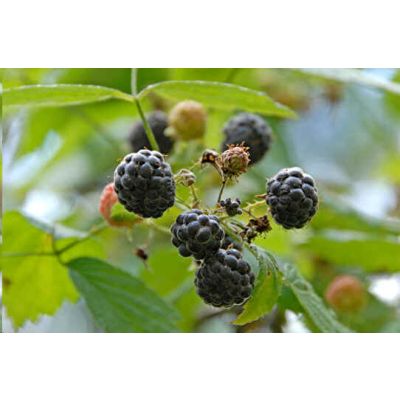
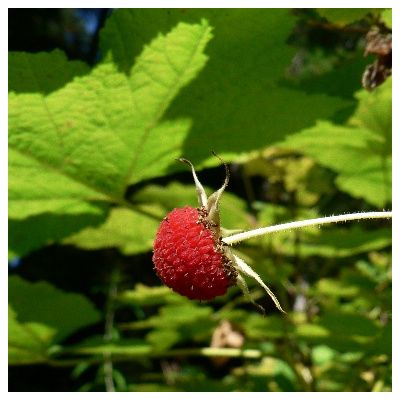
Rubus Leucodermis Seeds (Blackcap Raspberry Seeds, Western Raspberry)
Starting at US$1.90
A native raspberry? Yes, and it tastes great! The fruit of Rubus leucodermis is 1?1.2 cm diameter, reddish-purple, and dark blue to nearly black when ripe, and can be confused with blackberries. -
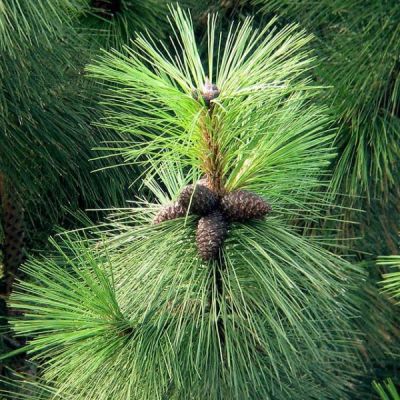
Ponderosa Pine Seeds (Pinus Ponderosa)
Starting at US$1.90
Pinus ponderosa, commonly known as the ponderosa pine, bull pine, blackjack pine,[1] or western yellow pine, is a very large pine tree species of variable habitat native to the western United States and Canada. -
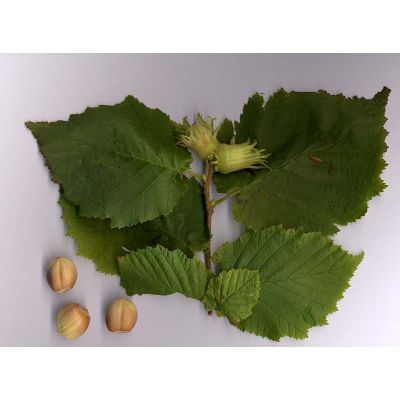
Common Hazel Seeds (Corylus Avellana)
Starting at US$8.90
Corylus avellana, the common hazel, is a species of hazel native to Europe and western Asia, from the British Isles south to Iberia, Greece, Turkey and Cyprus, north to central Scandinavia, and east to the central Ural Mountains, the Caucasus, and northwestern Iran. -
-
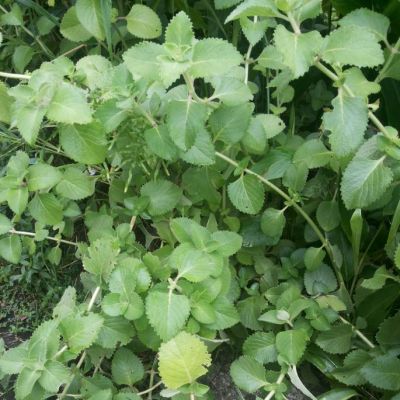
Greek Oregano Seeds * ORGANIC*
Starting at US$1.90
Excellent flavour, best all-purpose culinary subspecies -
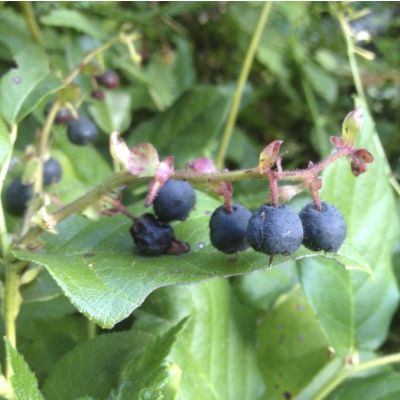
Salal Seeds (Gaultheria shallon)
Starting at US$2.30
The gaulth‚rie shallon or palalier ("salal" for anglosaxons) is a species of gaulth‚ries, native to the west coast of North America. -
-
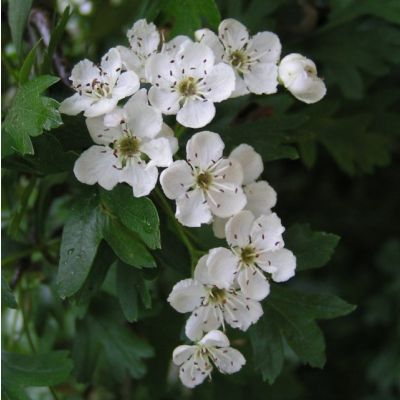
Singleseed Hawthorn Seeds (Crataegus monogyna)
Starting at US$1.80
this shrub is indeed very popular with birds, which then disperse its fruits. -
-
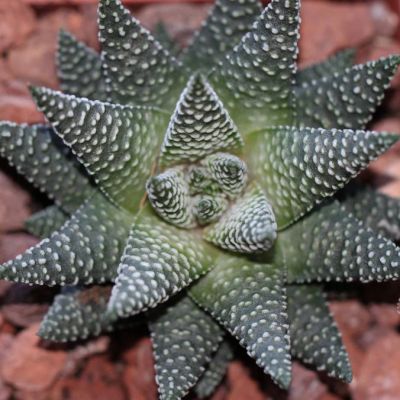
Tulista Pumila Seeds
Starting at US$2.90
Charming dwarf succulent with intricate gray-green rosettes and delicate star-shaped flowers, perfect for adding exotic appeal to rock gardens and containers.
-
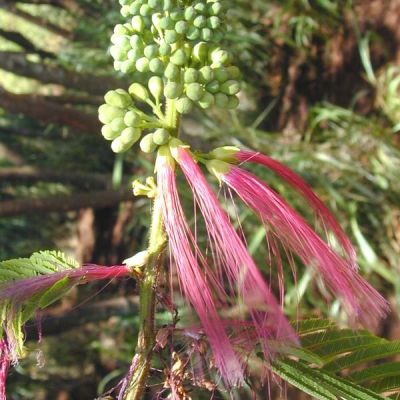
Calliandra Calothyrsus Seeds (Red Calliandra Seeds)
Starting at US$1.40
Multipurpose tree for humid location -
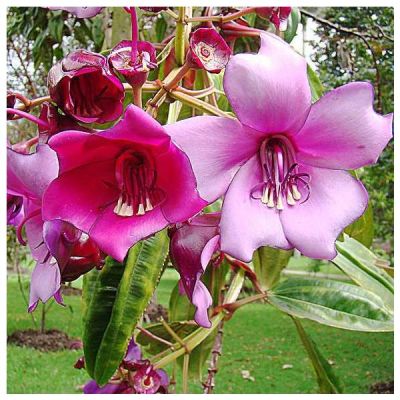
Meriania Nobilis Seeds
Starting at US$2.20
Considered to be one of the most beautiful flowering trees in the world. -
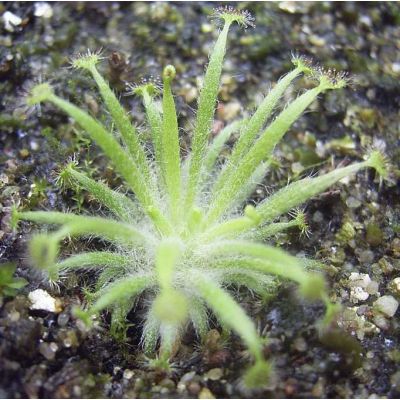
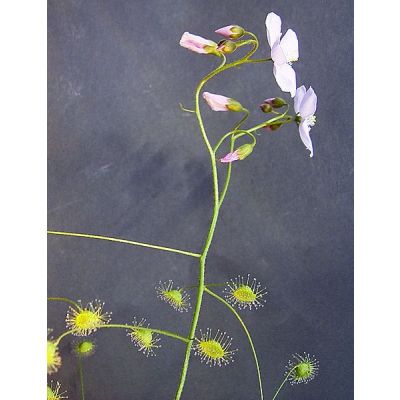
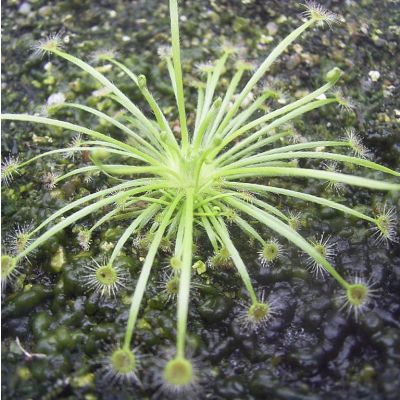
Drosera Macrantha Seeds (Bridal Rainbow Sundew)
Starting at US$3.30
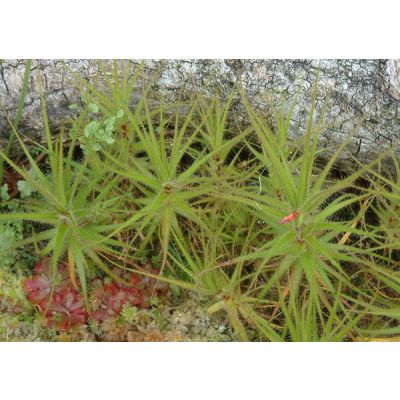
Produces cup-shaped carnivorous leaves along a stem that can be up to 5 feet high. -
-
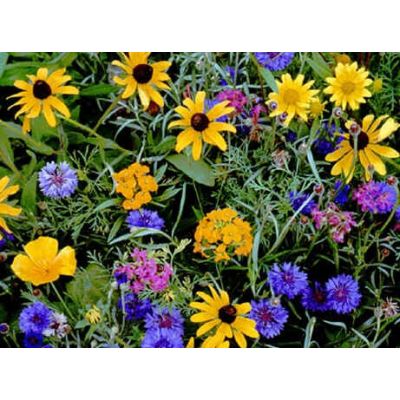
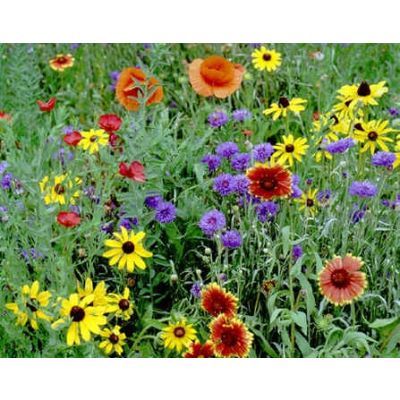
Wildflower Seeds Mix : Mountain Flowers (America)
Starting at US$1.90
Many of the varieties do well in higher elevations with limited moisture. This mix is formulated for all Western elevations around 7,000 feet. -
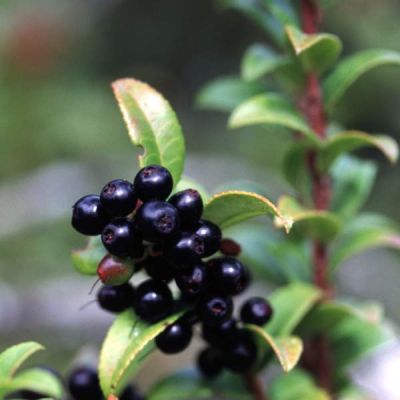
Evergreen Huckleberry Seeds (Vaccinium ovatum)
Starting at US$1.90
Hardy, shade-tolerant shrub producing delicious black berries. Ideal for woodland and coastal gardens.
-
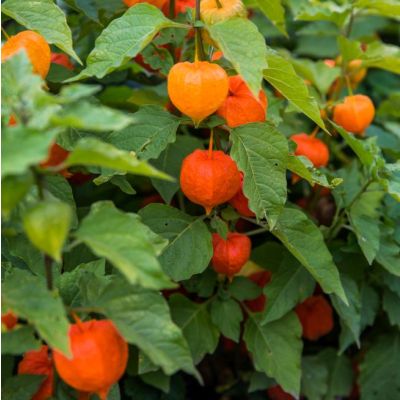
Physalis Franchetii Alkekengi Gigantea Seeds (Chinese Lantern Seeds)
Starting at US$1.90
Excellent fresh cut and they can also be easily dried and will make choice Winter arrangements. It can spread quickly, plant where it can be controlled. -
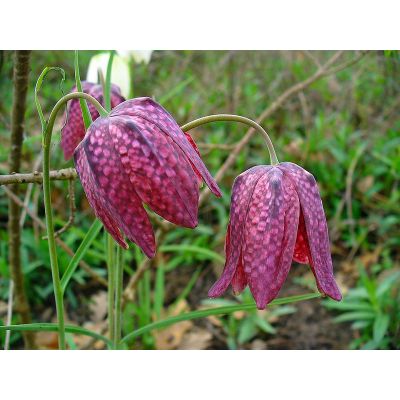
Fritillaria Meleagris Seeds (Snake's Head Fritillary, Checkered Lily Seeds)
Starting at US$2.20
Forms beautiful nodding bell shaped flowers in shades of purple that are recognizable by their snakes-skin markings. -
Drosera Gigantea Seeds (Giant Sundew Seeds)
Starting at US$2.20
Giant Sundew is one of the largest erect growing species that can reach up to 1m in height. -
-
Abies Nordmanniana Seeds (Nordmann Fir Seeds)
Starting at US$1.90
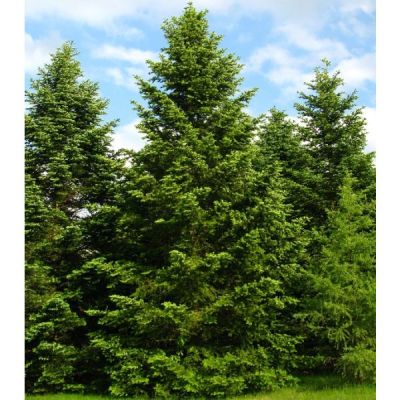
Christmas tree with needles that are not sharp ! Prefers a good moist but not water-logged soil -
Drosera Kenneallyi Seeds
Starting at US$3.30
The plant is very suitable for a terrarium or a warm greenhouse... -
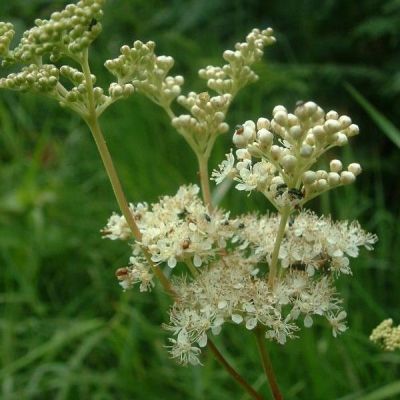
Meadowsweet Seeds (Filipendula Ulmaria)
Starting at US$1.90
Prefers wet habitats. It is known for being an analgesic, anti-inflammatory, antipyretic, diuretic, anti-cellulite. -
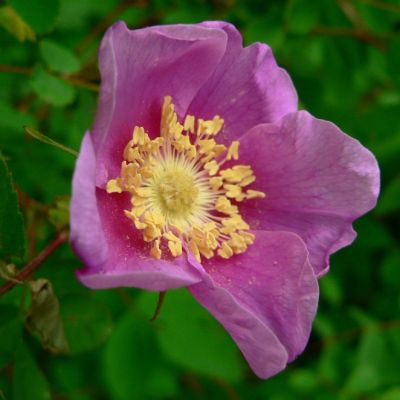
Rosa Nutkana Seeds (Nootka Rose Seeds)
Starting at US$1.80
Fast and easy to grow. Nootka rose makes an excellent wildlife shrub with its large red hips as a food source for birds and other animals. -
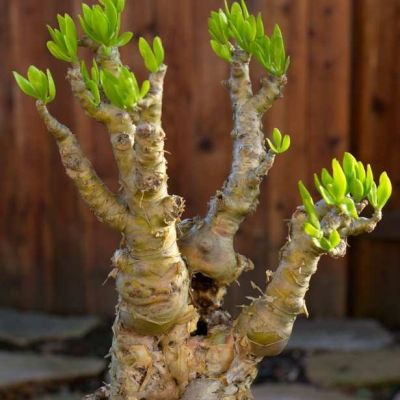
Tylecodon Paniculatus Seeds (Butter Tree)
Starting at US$2.20
a drought-resistant succulent with vibrant flowers.
-
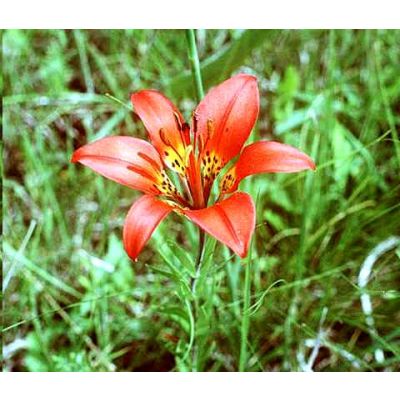
Lilium Philadelphicum Seeds (Wood Lily, Wester Red Lily Seeds)
Starting at US$1.70
Beautiful plant to see in masses. A definite favorite of people and Hummingbirds alike. -
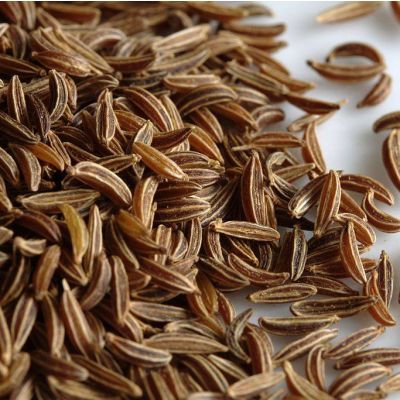
Caraway Seeds (Carum carvi)
Starting at US$2.20
Flavorful herb known for its aromatic seeds, perfect for culinary use and easy to grow in any sunny garden.
-
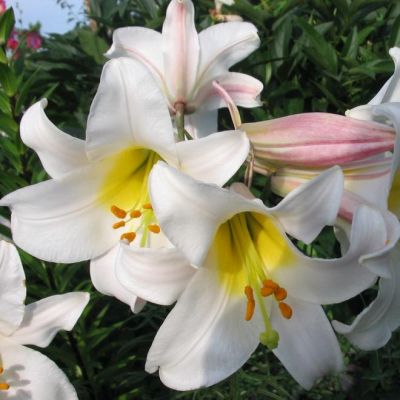
Lilium Regale Seeds (Lily Regale Seeds)
Starting at US$2.20
Beautiful and one of the most easily grown and fast growing Lily. -
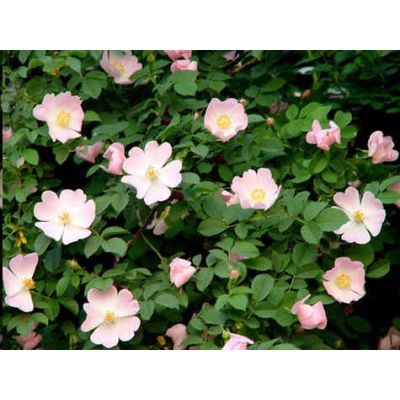
Rosa Canina Seeds (Wild Rose Seeds, Dog Rose Seeds)
Starting at US$1.90
They make wonderful displays in the hedgerows during June and July. -
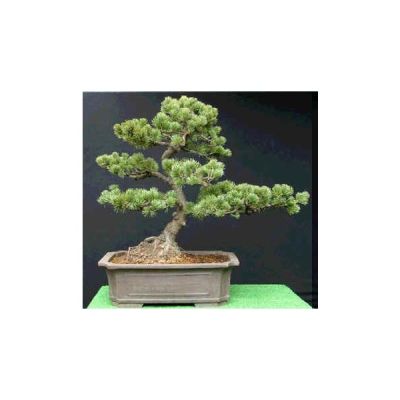
Pinus Armandii Seeds (Chinese White Pine Tree Seeds)
Starting at US$2.90
The flowers are monoecious, individual flowers are either male or female, but both sexes can be found on the same plant. -
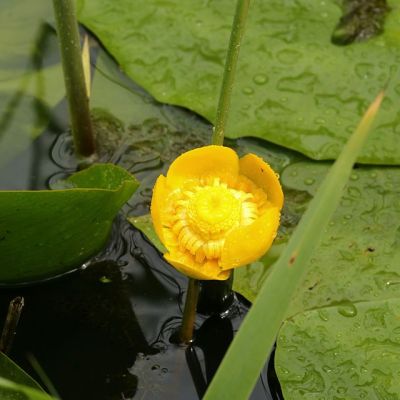
Nuphar Lutea Seeds (Yellow Water-lily Seeds)
Starting at US$2.20
Stunning aquatic plant with large heart-shaped leaves and vibrant yellow flowers, perfect for garden ponds and water features.
-
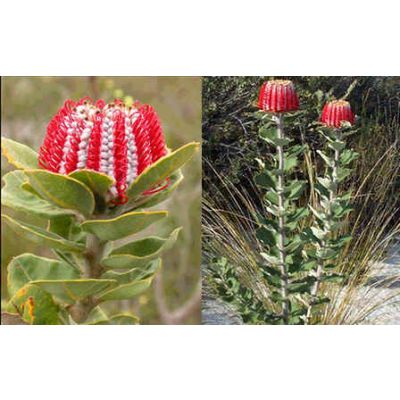
Banksia Coccinea Seeds (Scarlet Banksia Seeds)
Starting at US$4.80
Banksia coccinea is a very desirable evergreen garden plant because of its dramatic habit and spectacular flowers. -
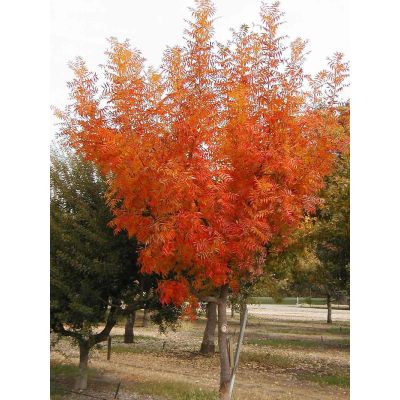
Pistacia Chinensis Seeds (Chinese Pistachio Seeds, Chinese Pistache Seeds)
Starting at US$1.90
Some staking and pruning are necessary to produce a decent trunk. Very easy to grow and transplant. -
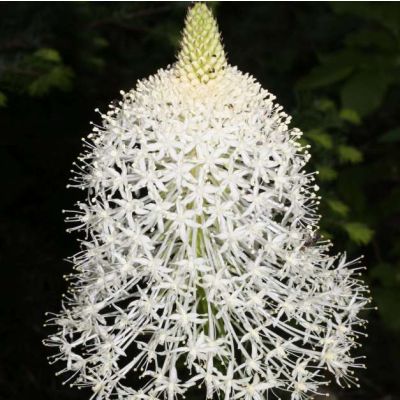
Bear Grass Seeds (Xerophyllum Tenax)
Starting at US$2.20
Xerophyllum tenax is a perennial monocot in the family Melanthiaceae, closely related to lilies. It is known by a few common names, including bear grass, squaw grass, soap grass, quip-quip, and Indian basket grass. -
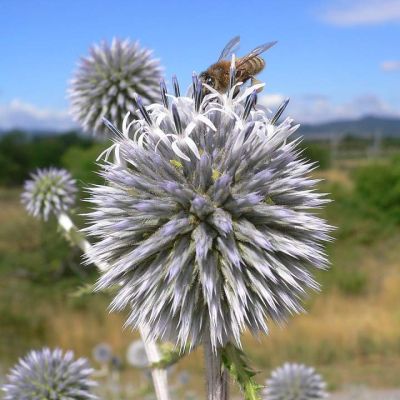
Great Globe-Thistle Seeds (Echinops Sphaerocephalus)
Starting at US$2.20
Spiky, spherical blooms that attract pollinators, perfect for low-maintenance and drought-tolerant gardens.
-
Drosera Broomensis Seeds (Petiolaris-Complex)
Starting at US$3.50
Always in bloom with stunning orange flowers! -
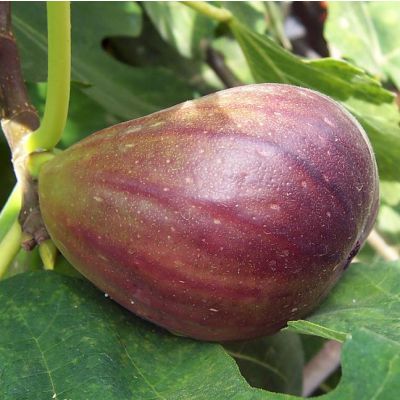
Ficus Carica Seeds (Common Fig Seeds)
Starting at US$1.90
The fig is a picturesque tropical looking tree or shrub with a dramatic spreading habit. The breadth is often wider than the height of 15 to 30 ft. -
Taxus Baccata Seeds (English Yew Seeds)
Starting at US$1.90
The fruits, with their bright arils, the fleshy covering over the seeds, look at first like small acorns, but they ripen into bright red berries. It is the seeds inside the fruit that is poisonous. -
Sequoiadendron Giganteum Seeds (Sequoia Gigantea Seeds)
Starting at US$2.20
World's largest tree in terms of circumference and volume. It is also a very long-lived tree in the wild. -
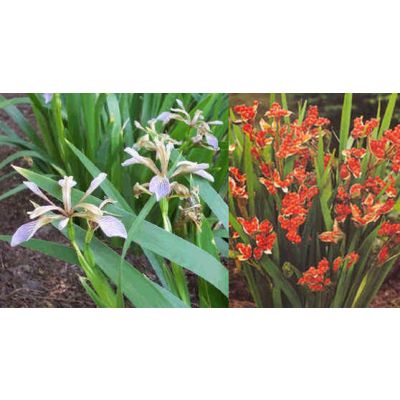
Iris Foetidissima Seeds (Gladwin Iris Seeds)
Starting at US$3.80
It is perhaps grown more for its attractive coral seed clusters than for its flowers. -
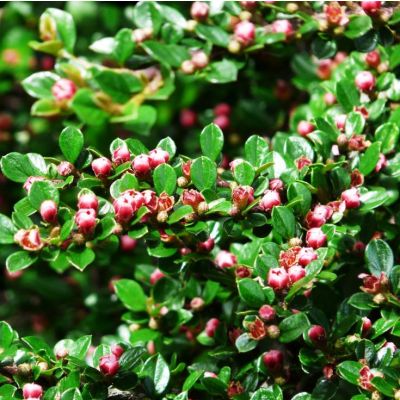
Cotoneaster Horizontalis Seeds
Starting at US$1.90
Very easy to grow and is known for its ornamental virtues -
Rubus Parviflorus Seeds (Thimbleberry Seeds)
Starting at US$1.80
Produces red raspberries. Perfect for a bird garden. -
Drosera Derbyensis Seeds (Octopus Plant) (Petiolaris-Complex)
Starting at US$3.50
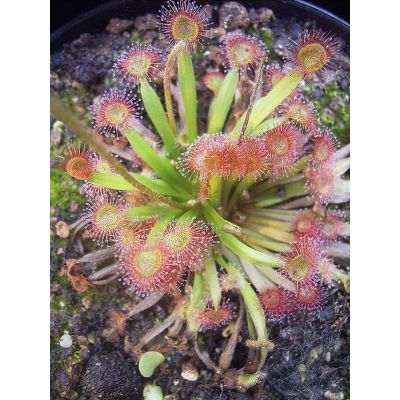
Seeds from Western Australia. Blooms from March to June. Depending on your climate, you may need to grow this plant sundew in a warm terrarium with strong fluorescent lights. -
Pinguicula Lusitanica Seeds (Pinguicula Seeds) (Warm - Temperate)
Starting at US$3.90
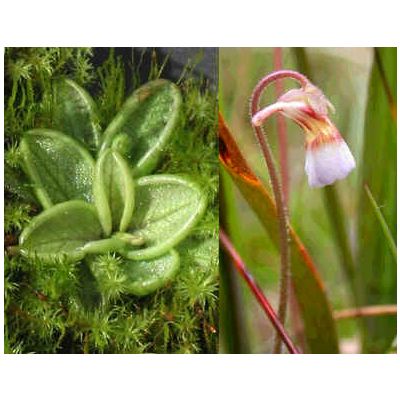
Pinguicula lusitanica is the easiest warm temperate Pinguicula to grow. -
Wildflower Seeds Mix : Northeast Flowers Seeds (America)
Starting at US$1.90
They contain both native and non-native wildflowers. Non-native species were chosen on the basis of their versatility or ability to adapt to various conditions. -
Buxus Sempervirens Seeds (Common Boxwood)
Starting at US$2.40
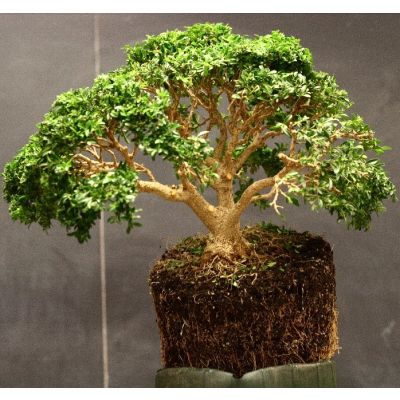
Prefers moist and cool soil. Can be easily pruned -
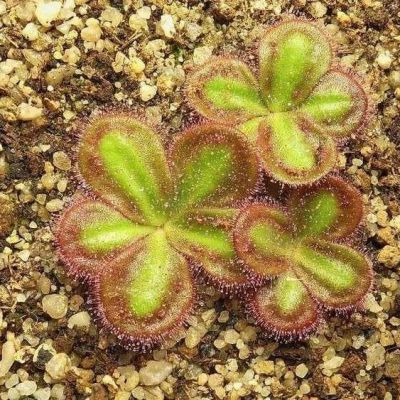
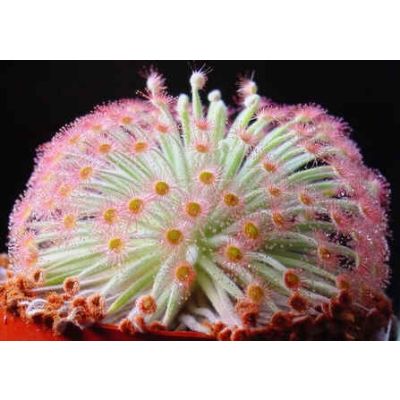
Drosera Ordensis Seeds (Petiolaris-Complex)
Starting at US$3.30
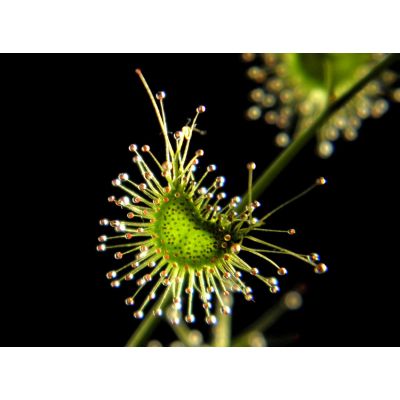
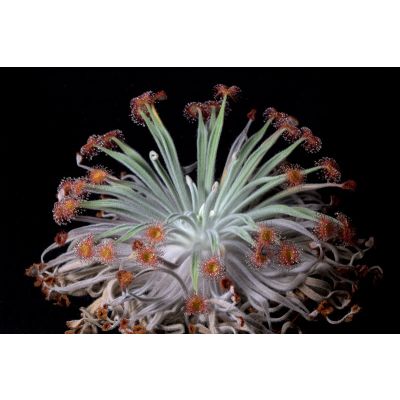
Its lamina is densely studded with stalked mucilagenous glands, which serve to attract and trap arthropod prey