Free shipping on all orders over US$50
Search results for: 'formic'
-

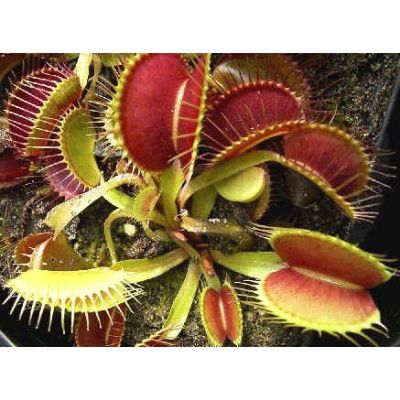
Dionaea Muscipula Giant Forms Seeds Mix (Venus Flytrap Seeds)
Starting at US$10.80
Carnivorous plant that usually digests within 3-5 days. -
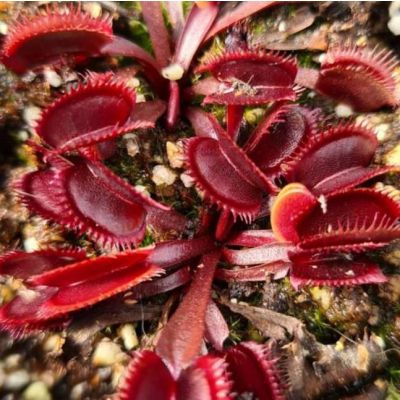
Dionaea Muscipula Red Forms Seeds Mix (Venus Flytrap Seeds)
Starting at US$3.90
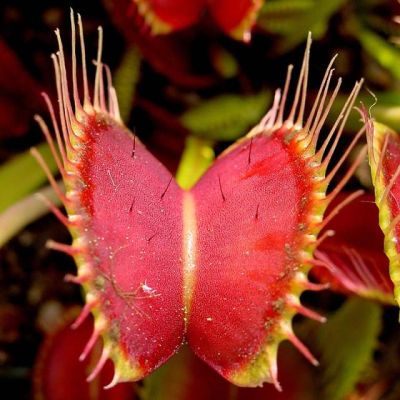
The trap of the Venus Flytrap is one of Nature's most amazing marvels. The outer edges of the two clamshell-like halves are lined with nectar glands and stout bristles. -
Dionaea Muscipula Seeds Mix of Other Forms (Venus Flytrap Seeds)
Starting at US$2.90
This is a mix of different forms of Venus Flytrap. -
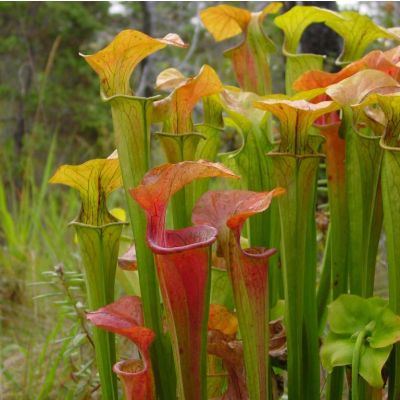
Sarracenia Oreophila Mix of Forms (Heavily Veined) Seeds (Sarracenia Oreophila Seeds)
Starting at US$3.90
The pitchers are 20 to 75 centimeters in length by 6 to 10 centimeters in circumference at the orifice. -
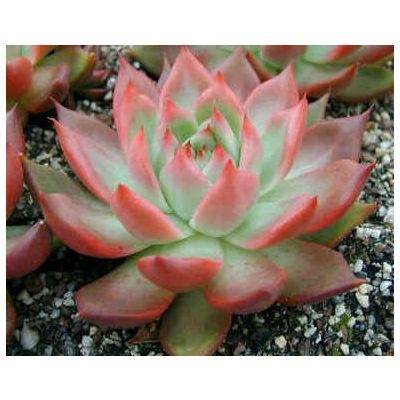
Echeveria Seeds Mix
Starting at US$2.20
It's a genus of justly popular, beautiful and easily grown succulents, particularly suitable as house plants. -
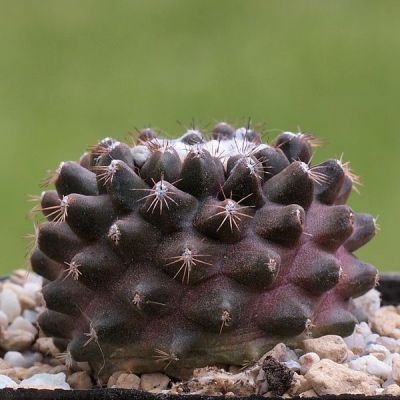
Copiapoa Humilis Seeds
Starting at US$3.90
Copiapoa Humilis is a small drought-tolerant cactus with yellow flowers, ideal for rock gardens or containers.
-
-
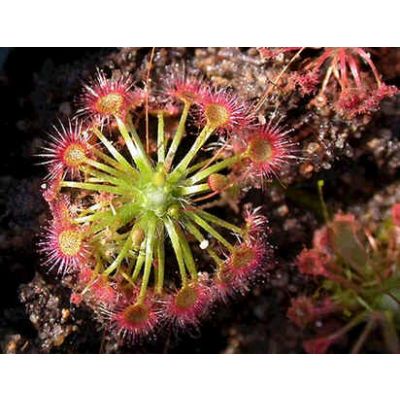
Drosera Pygmaea Seeds (Pygmy)
Starting at US$3.50
Although some people are put off by their size, their beauty lie in numbers. Because of the gemmae, the plants quickly cover the growing area, forming dense mats. -
Nepenthes Ventricosa Seeds (Highland Nepenthes Seeds)
Starting at US$3.30
Ventricosa produces a beautiful pitchers, and displays well in a hanging basket. -
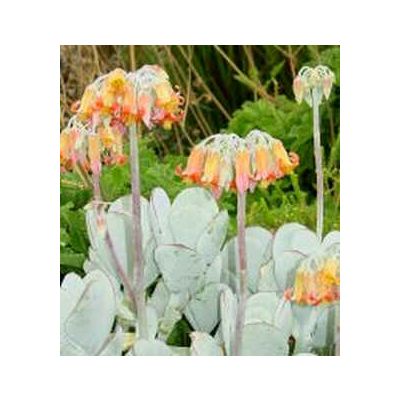
Cotyledon Seeds Mix
Starting at US$1.40
Includes a large variety of distinctive forms and sizes. Can be used in landscaping in climates that are mostly frostless. Interesting plants in raised beds or containers. -
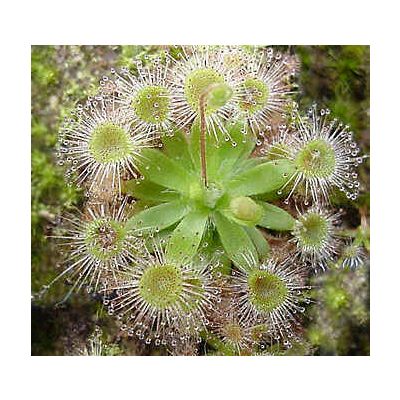
Drosera Ordensis Seeds (Petiolaris-Complex)
Starting at US$3.30
Its lamina is densely studded with stalked mucilagenous glands, which serve to attract and trap arthropod prey -
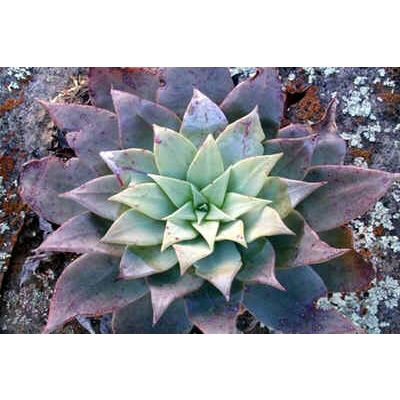
Dudleya Seeds Mix
Starting at US$2.20
Commonly known as ?live-forever? plants, Dudleyas have been known to live as long as 50 to 100 years. -
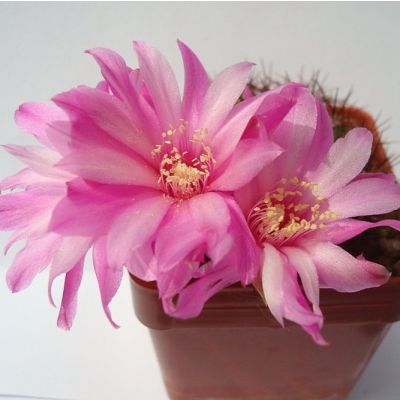
Rebutia Mentosa Seeds
Starting at US$3.90
Charming miniature cactus with fluffy white spines and vibrant, funnel-shaped flowers, perfect for adding color and texture to your succulent garden.
-
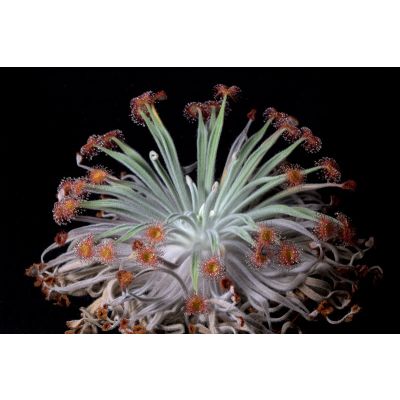
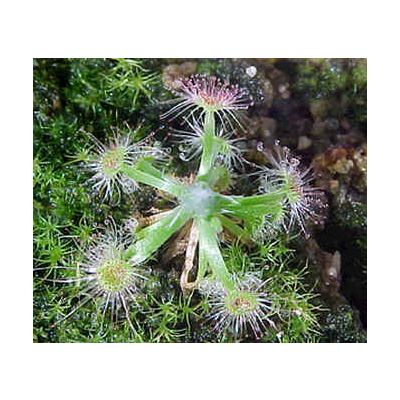
Drosera Androsaceae Seeds (Cone Sundew) (Pygmy)
Starting at US$5.80
Another startling feature of the Pygmy Sundews are their size. Normally the plants grow to a maximum diameter of half an inch. Although some people are put off by their size, their beauty lie in numbers. -
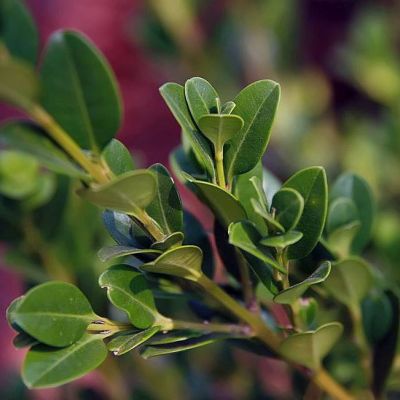
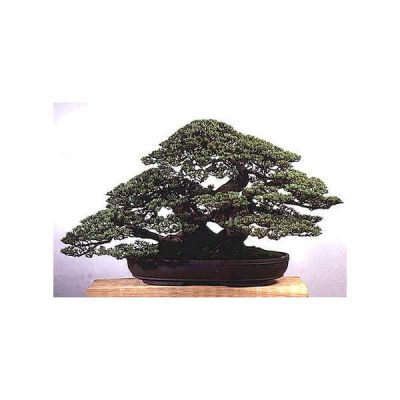
Buxus Microphylla Koreana Seeds (Korean Boxwood)
Starting at US$1.90
Hardy, compact boxwood variety with small, dense foliage. Ideal for hedges, borders, and topiary.
-
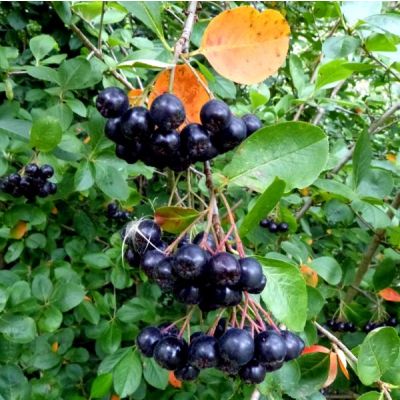
Black Chokeberry Seeds (Aronia melanocarpa)
Starting at US$1.90
Hardy shrub with antioxidant-rich berries and vibrant fall foliage, perfect for both ornamental and edible gardens.
-
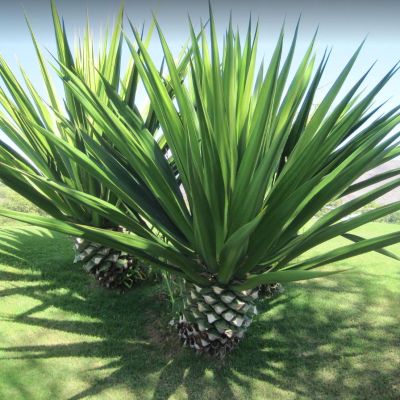
Agave Sisalana Seeds (Sisal)
Starting at US$2.20
Known for its stunning rosette of sword-like leaves.
-
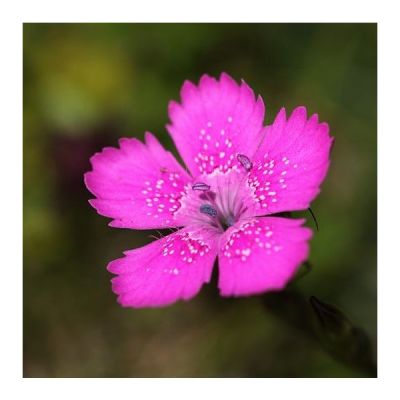
Dianthus Deltoides Seeds (Maiden Pink Seeds)
Starting at US$1.60
Well-suited to a rock garden or the edge of a border. -
Drosera Pulchella Seeds (Pygmy)
Starting at US$3.50
Another startling feature of the Pygmy Sundews are their size. Normally the plants grow to a maximum diameter of half an inch. The rosettes are about 1.5 cm across and golden-green in color, more red under bright light. -
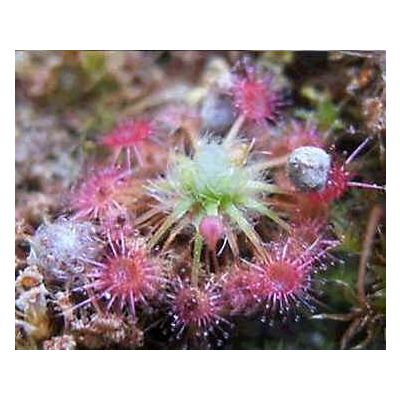
Drosera Nitidula Seeds (Pygmy)
Starting at US$3.30
Each leaf consists of a thin petiole and a round, red lamina measuring up to 2 mm in diameter. Leaves in a convex rosette. The rossettes are about 1.5 - 2 cm. It flowers early Spring to mid Summer. -
Casuarina Cunninghamiana Seeds (Tropical Oak Seeds)
Starting at US$1.90
An attractive spreading form with needle-like foliage. Young trees typically have a pyramidal crown with ascending branches; the crown becomes more open with maturity. -
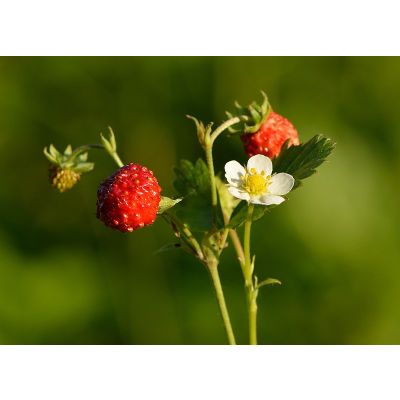
Fragaria Vesca Seeds (Woodland Strawberry Seeds)
Starting at US$2.90
While you won't get a huge crop, they do fruit continuously throughout the growing season. They've even been nicknamed the "perpetual strawberry". -
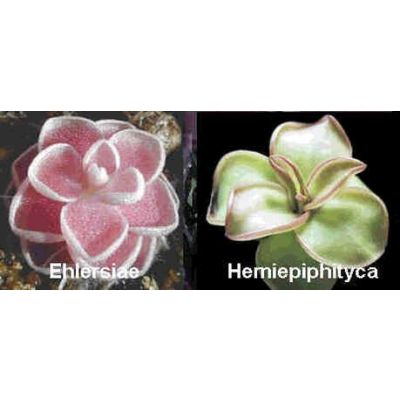
Pinguicula Seeds Mix Mexican Pinguicula Seeds (Ehlersiae, Hemiepiphytica, Hemiepiphytica x Orchidioides)
Starting at US$12.00
The carnivorous leaves are produced in Spring and during all Summer. The flowering occurs from Summer rosette. -
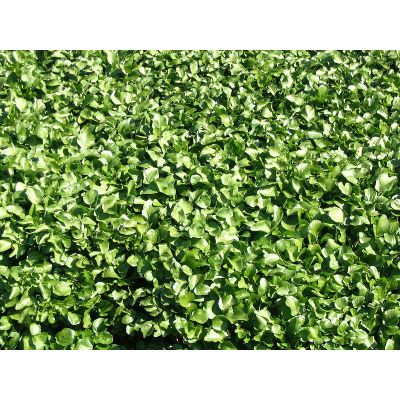
Nasturtium Officinale Seeds (Watercress Seeds)
Starting at US$1.90
Watercress definitely adds a boost in vitamin C and iron, to sandwiches, omelets, baked fish and fresh salads. -
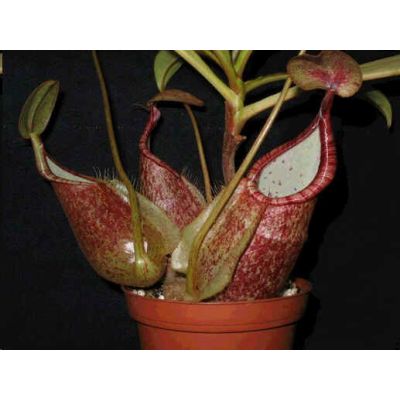
Nepenthes Rafflesiana (Lowland Nepenthes Seeds)
Starting at US$3.30
Shape and color can vary from a plant to another. -
-
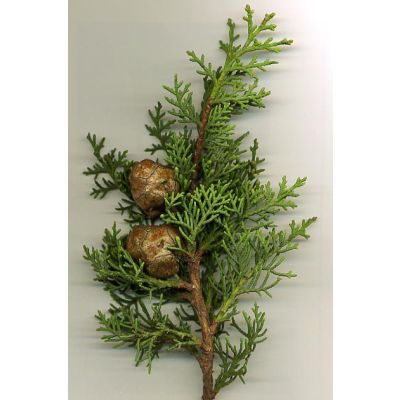
Mediterranean Cypress Seeds (Cupressus Sempervirens)
Starting at US$1.90
Tall, slender evergreen tree, perfect for vertical accents, screens, and formal landscapes.
-
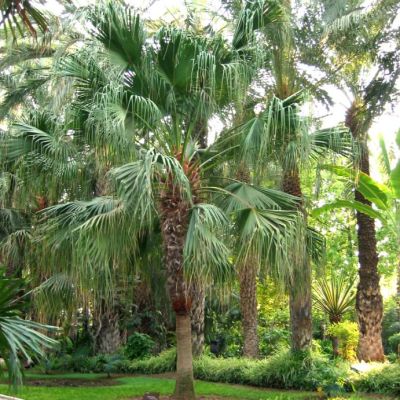
Livistona Chinensis Seeds (Chinese Fan Palm Seeds)
Starting at US$2.90
This palm is becoming increasingly popular for use in landscapes in Florida, California and other warm temperate climates. -
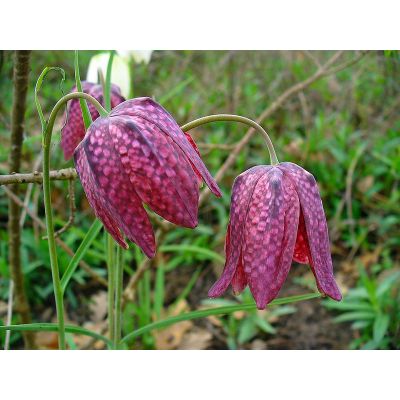
Fritillaria Meleagris Seeds (Snake's Head Fritillary, Checkered Lily Seeds)
Starting at US$2.20
Forms beautiful nodding bell shaped flowers in shades of purple that are recognizable by their snakes-skin markings. -
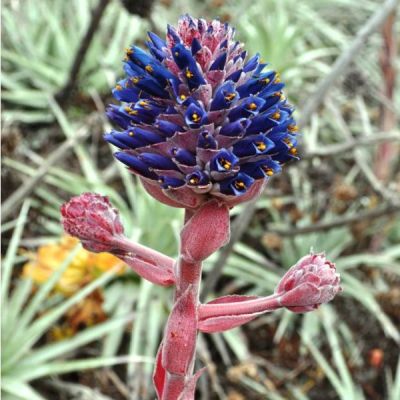
Puya Venusta Seeds
Starting at US$1.80
The name venusta means handsome, but in this case it should be magnificent! -
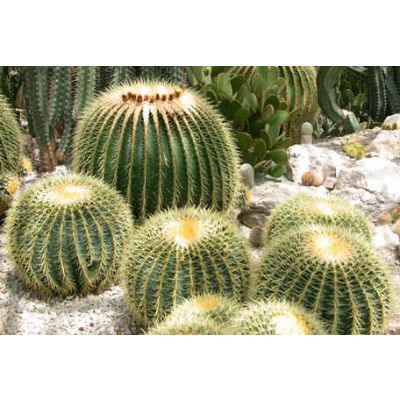
Echinocactus Seeds Mix
Starting at US$2.30
The barrels range in size from several hundred pounds to miniature forms only a few inches high. -
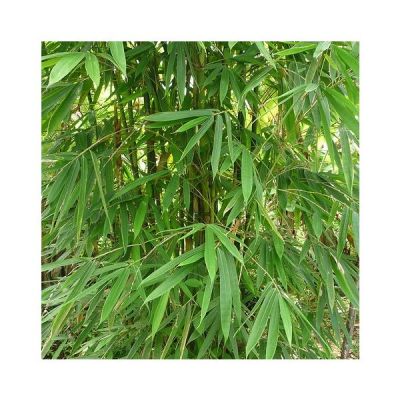
Dendrocalamus Strictus Seeds (Male Bamboo Seeds)
Starting at US$2.40
Bamboos are cultivated for fast growing erosion control, privacy screens, and wind breaks, and the bamboo can be trimmed to the desired height. -
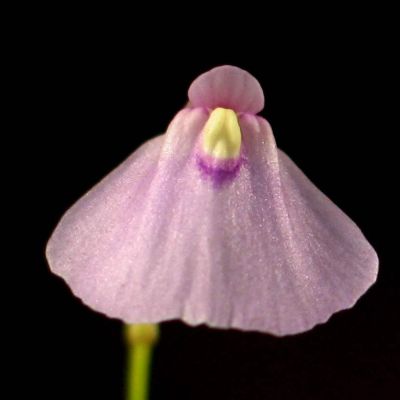
Utricularia Dichotoma Seeds (Bladderworts Seeds)
Starting at US$3.30
This small carnivorous herb of wet areas, is only likely to be seen in nature when in flower. -
Nepenthes Sanguinea ssp. Seeds (Highland Nepenthes Seeds)
Starting at US$3.90
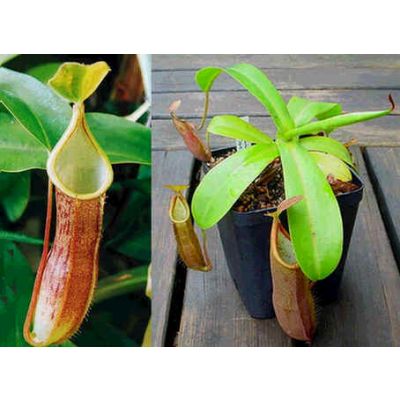
That plant grows well as a hanging basket plant inside the home, in a hot greenhouse or in a terrarium in your home. Great for beginners. -
Nepenthes Mirabilis Seeds (Lowland Nepenthes Seeds)
Starting at US$2.90
The traps start out at first as a small swelling, but quickly expand to their full size over the course of several weeks. -
Nepenthes Madagascariensis Seeds (Lowland Nepenthes Seeds)
Starting at US$2.40
Prey is attracted by the gaudy colours and nectar produced by the trap, under the lid, which does not close and around the rim. -
Nepenthes Seeds Mix (Lowland and Highland Nepenthes Seeds)
Starting at US$2.70
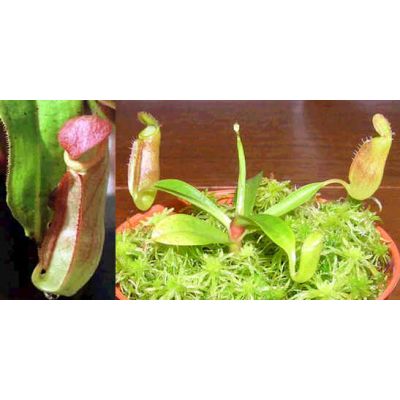
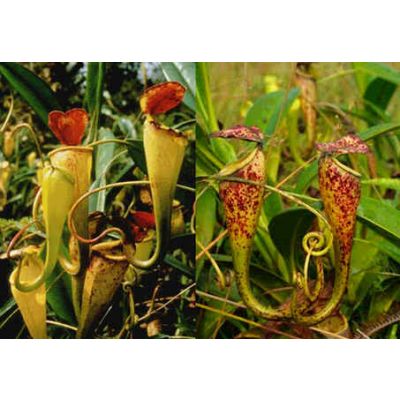
Contains many species, including mirabilis, gracilis, sanguinea, truncata and many more that are only sold in this mix. -
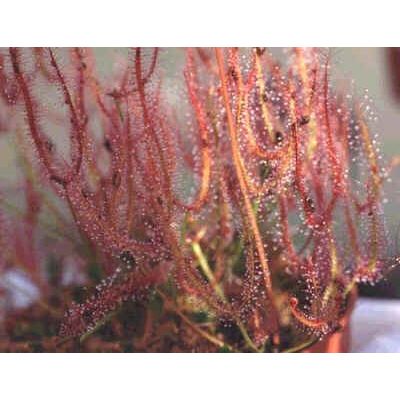
Drosera Binata Red Seeds (The Forked Sundew)
Starting at US$3.20
Known as the Forked Sundew, it is easy to see how Drosera binata red got that name. The long upright leaves form a "Y" shape at the extremity. The erect stems can reach 20 inches high or more and branched in upper part. -
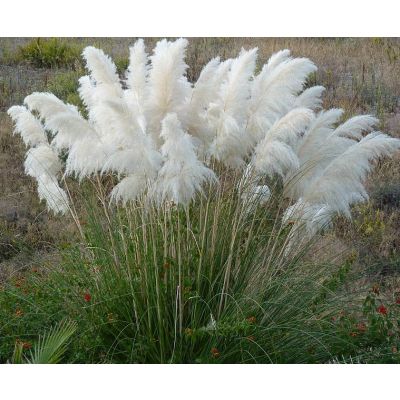
Cortaderia Selloana White Seeds (White Pampas Grass Seeds)
Starting at US$1.90
Amazing as a background or as an accent plant in corners. -
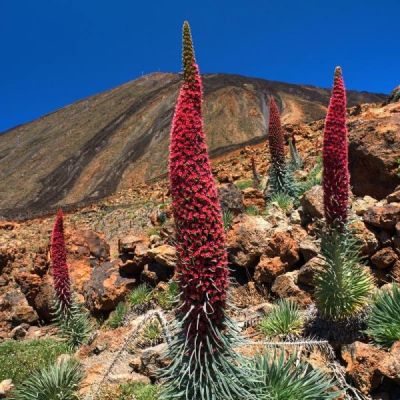
Echium Wildpretii Seeds (Tower of Jewels Seeds)
Starting at US$1.90
As for most Echium it is favored by bee-keepers for its high nectar and pollen content. -
Nepenthes Gracilis Seeds (Slender Pitcher-Plant)
Starting at US$3.30
This small vinging species produces elegant, narrow pitchers that dangle from the tips of narrow green leaves. -
-
Iris Laevigata Seeds (Japanese Water Iris Seeds)
Starting at US$1.90
Best planted well before Spring to ensure it flowers, Laevigata likes to have a well formed set of roots developed before showing of the spectacular, but brief flowers for a week or two late in the Spring. -
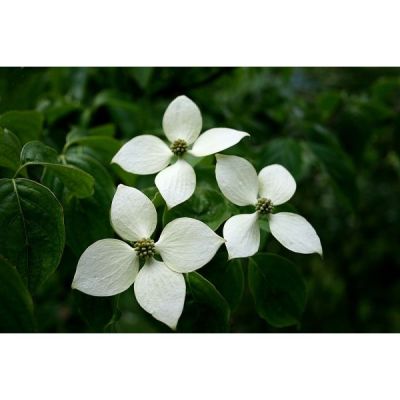
Cornus Kousa Chinensis Seeds (Chinese Kousa Dogwood Seeds)
Starting at US$1.80
Edible red fruits form in late Summer and persist through the Fall. They dangle like oversized raspberries beneath the horizontally arching branches. -
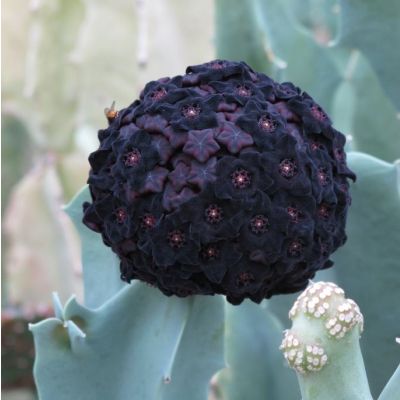
Caralluma Acutangula Seeds
Starting at US$9.80
unique succulent with star-shaped flowers and angular stems, perfect for adding an exotic touch to your collection.
-
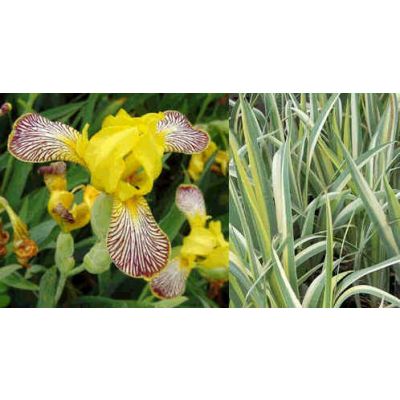
Iris Variegata Hybrids Mix Seeds
Starting at US$1.60
The variegata refers to the bicoloured blooms, rather than the foliage. This is a mix of various forms and colours of the species. -
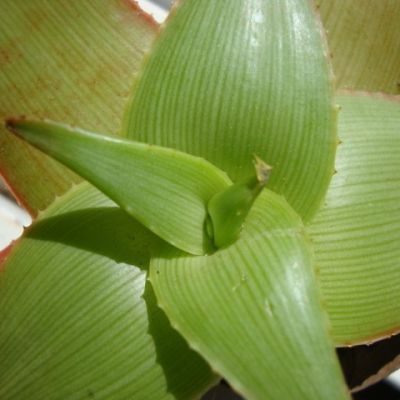
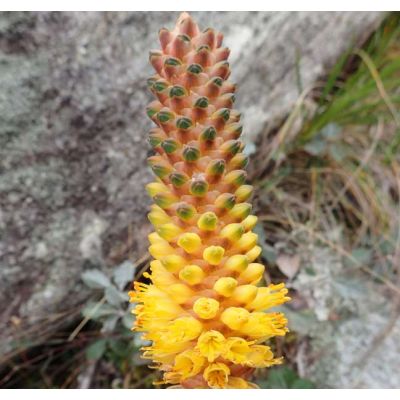
Aloe Conifera Seeds
Starting at US$2.90
Aloe Conifera is a spear-like plant with yellow colors and fragrant at bloom. Plant from Madagascar. -
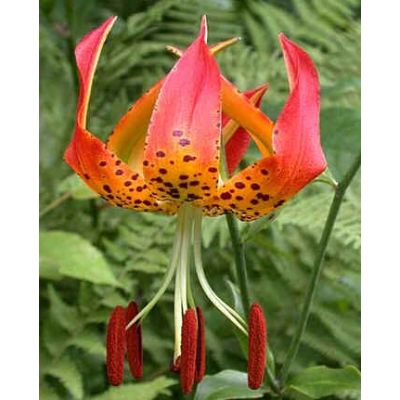
Lilium Superbum Seeds (Turk's-Cap Lily Seeds)
Starting at US$1.90
Candelabras of orange trumpets so tall you look up into the flowers. They are simply stunning! -
Tillandsia Fasciculata Seeds (Giant Airplant)
Starting at US$2.20
Vibrant air plant with a unique rosette form and colorful blooms, perfect for low-maintenance indoor displays.
-
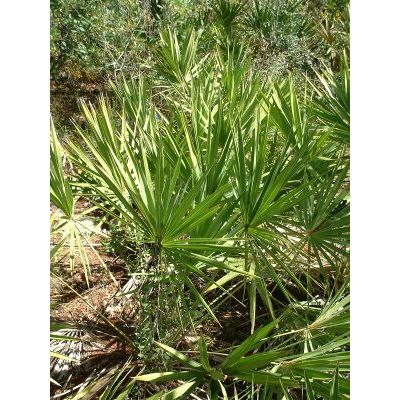
Serenoa Repens Silver Seeds (Saw Palmetto)
Starting at US$5.90
The leaf stems are about 2 ft (0.6 m) long and sharply saw-toothed hence its popular name: Saw Palmetto.