Free shipping on all orders over US$50
Search results for: 'red'
Related search terms
-

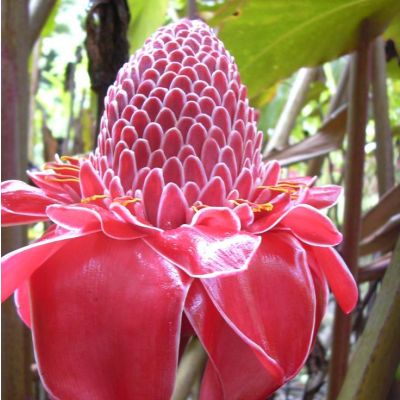
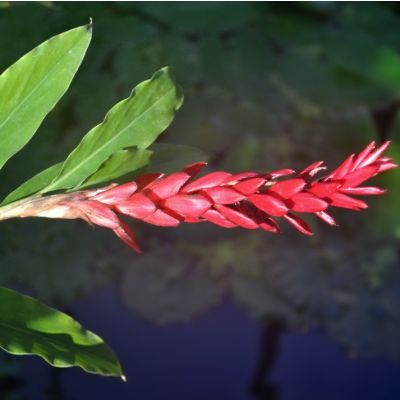
Etlingera Elatior Red Seeds (Red Torch Ginger Seeds)
Starting at US$1.90
Best grown in full sun and needs plenty of warmth and well drained conditions. -
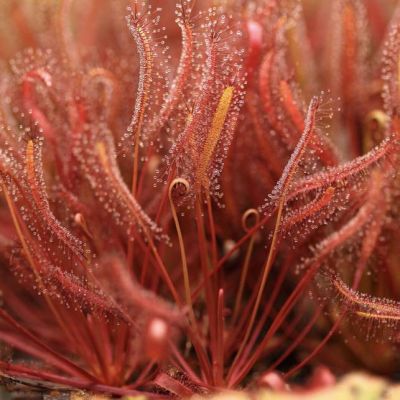
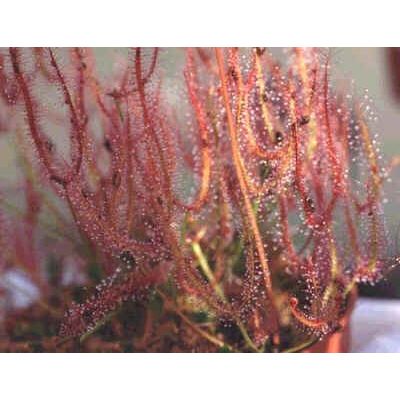
Drosera Capensis Red Seeds
Starting at US$3.60
In the greenhouse, plants bloom in the Fall with scapes that have numerous, 6 to 20, small pinkish flowers up to 1 cm long. -
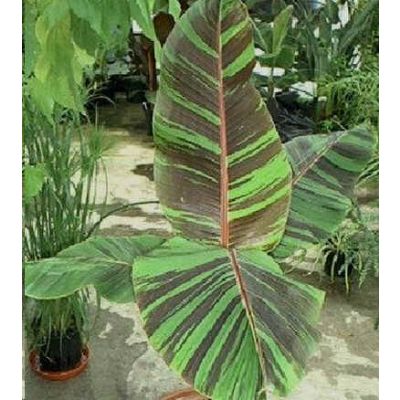
Musa Sikkimensis Manipur Red Seeds (Musa Red Flash)
Starting at US$2.50
Great promise as an ornamental for the temperate as well as the cooler tropical garden. -
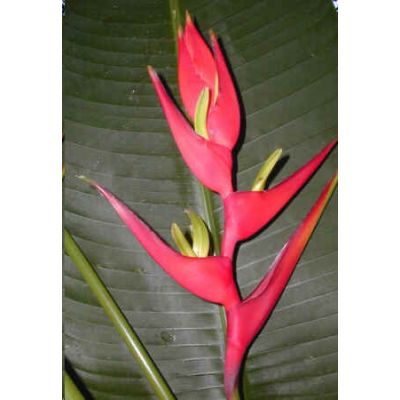
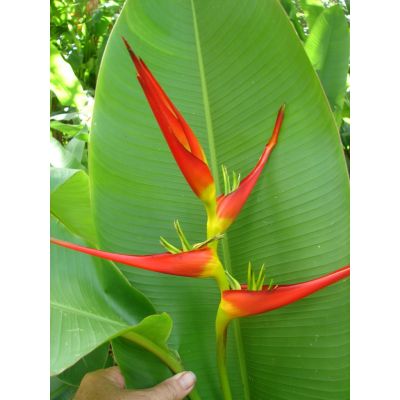
Heliconia Vellosiana Seeds (Red Heliconia)
Starting at US$2.80
Tolerant to cool weather and grow well in subtropical conditions. Recommended temperature 25øC. -
Drosera Binata Red Seeds (The Forked Sundew)
Starting at US$3.20
Known as the Forked Sundew, it is easy to see how Drosera binata red got that name. The long upright leaves form a "Y" shape at the extremity. The erect stems can reach 20 inches high or more and branched in upper part. -
Amaranthus Cruentus Tower Red Seeds
Starting at US$1.70
Unusual ! People around the world value amaranths as leaf vegetables, cereals, and ornamentals. -
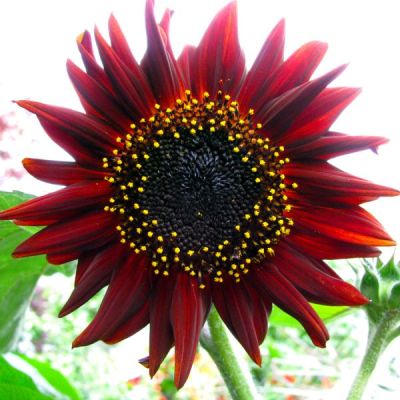
Helianthus Prado Red Seeds (Sunflower Seeds)
Starting at US$2.50
Very rare ! If they are not pinched each plant will produce a single large 6 in bloom, from July to September. -
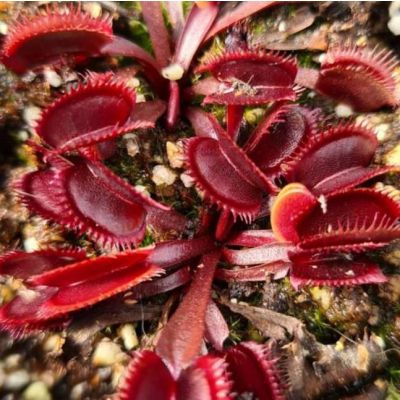
Dionaea Muscipula Red Forms Seeds Mix (Venus Flytrap Seeds)
Starting at US$3.90
The trap of the Venus Flytrap is one of Nature's most amazing marvels. The outer edges of the two clamshell-like halves are lined with nectar glands and stout bristles. -
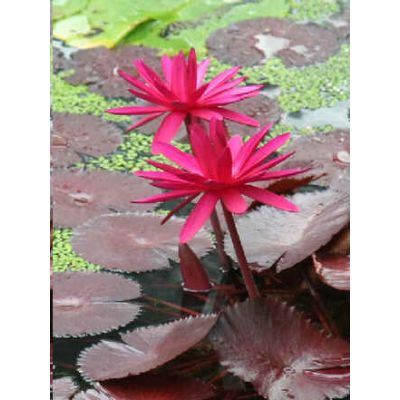
Nymphaea Red Seeds (Day Blooming Water Lily Seeds)
Starting at US$1.60
Nymphaea Red Flare has magnificent, beautiful, dark crimson flowers with deep red sepals and maroon anthers. -
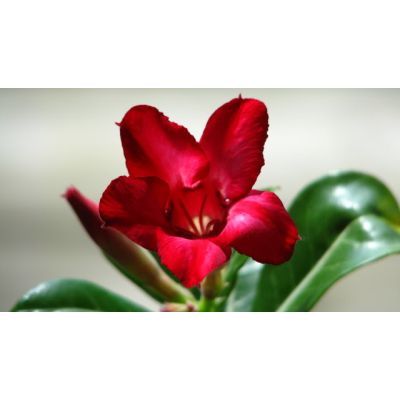
Adenium Small Red Plum Seeds (Adenium Obesum Seeds)
Starting at US$4.80
The petals are waxy, thick and strong. Their diameters are around 3-4cm, and you'll have a lot of flowers on every plant. -
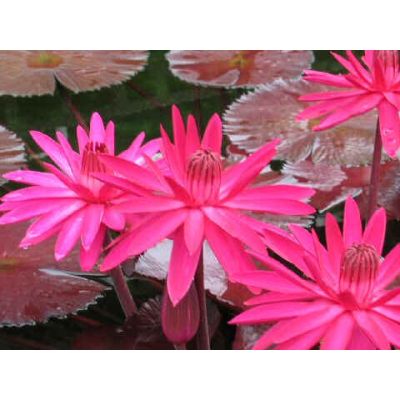
Nymphaea Red Flare Seeds (Tropical Night Blooming Water Lily Seeds)
Starting at US$1.60
This beautiful tropical plant is an excellent bloomer, which can produce six or seven blooms at a time! It is also extremely prolific. -
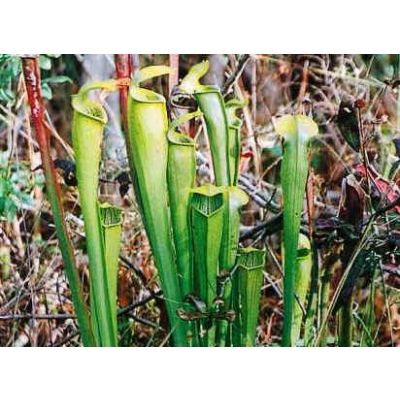
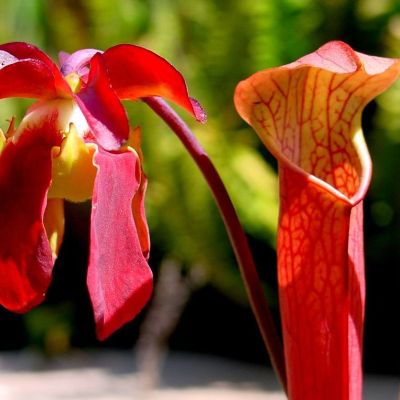
Sarracenia Alata Red Throat Seeds (Pale Pitcher Plant Seeds)
Starting at US$3.50
Sarracenia alata Red Throat is green with a red interior lid and a red throat. Although this carnivorous plant looks its best in September, it produces delicate looking yellow to cream colored flowers on tall stems in the early Spring. -
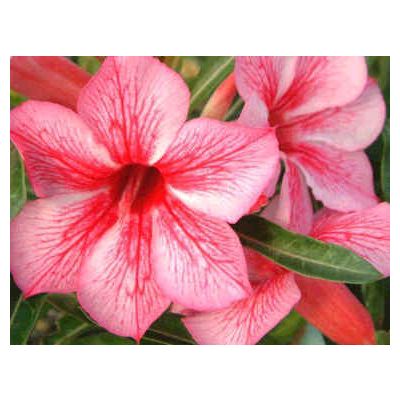
Adenium Star of Red Sparkles Seeds (Adenium Obesum Seeds)
Starting at US$4.30
Do pruning after the plant's rest period. Heavy pruning should be kept to a minimum. New shoots can be pruned regularly. -
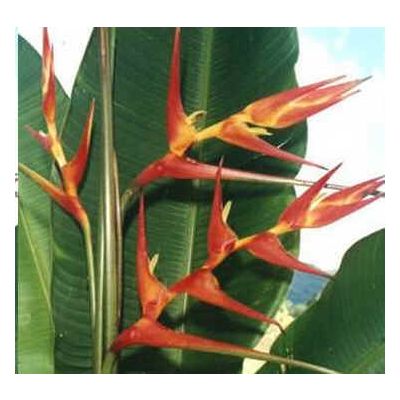
Heliconia Vellosiana Seeds (Red and Yellow Heliconia)
Starting at US$1.50
Rare variety than can be grown indoors or in a glasshouse. -
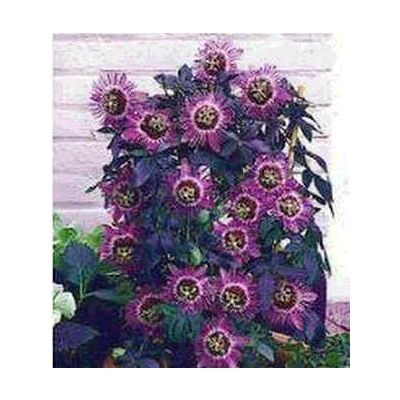
Passiflora Panama Red Seeds (Passiflora Seeds)
Starting at US$2.25
Productive vigorous vine. May be grown as a houseplant in a sunny South-facing window. -
Heliconia Latispatha Red and Yellow Seeds (Golden Lobster Claw Heliconia Seeds)
Starting at US$1.50
This short variety produces 4 to 7 colorful upright bracts "lobster claw", bright red and yellow. -
Sarracenia Alata Seeds (Pale Pitcher Plant Seeds)
Starting at US$3.50
Seeds from Nicholson area, Mississippi. They trap their prey by offering them nectar to sip which is secreted around the lip of the plant and also at the base of the lid. -
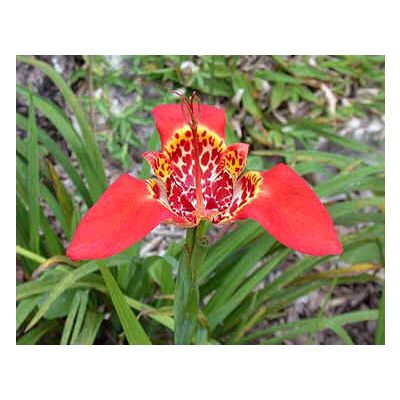
Tigridia Pavonia Seeds (Tiger Flower Seeds)
Starting at US$1.75
Well suited to growing in containers. Tiger Flower prefers a sunny site and fertile, well-drained, light soil. -
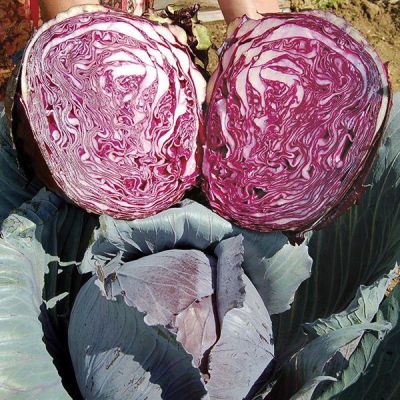
Buscaro Red Cabbage Seeds *ORGANIC*
Starting at US$3.90
Vibrant and crisp cabbage variety with deep red leaves, perfect for adding color and crunch to your salads and dishes.
-
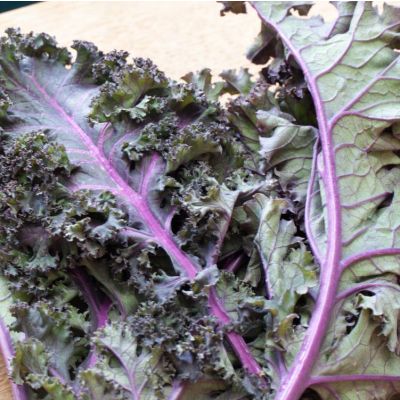
Kale Red Russian Seeds *ORGANIC*
Starting at US$2.50
Vibrant, cold-tolerant kale with sweet, tender leaves and striking purple-red stems.
-
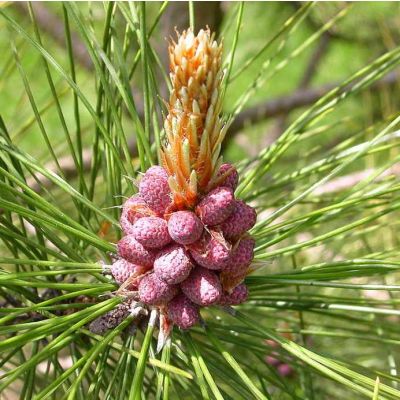
Red Pine Seeds (Pinus resinosa)
Starting at US$1.80
Pinus resinosa, known as red pine or Norway pine, is a pine native to North America. It occurs from Newfoundland west to Manitoba, and south to Pennsylvania, with several smaller, disjunct populations occurring in the Appalachian Mountains in Virginia and West Virginia, as well as a few small pockets in extreme northern New Jersey and northern Illinois. -
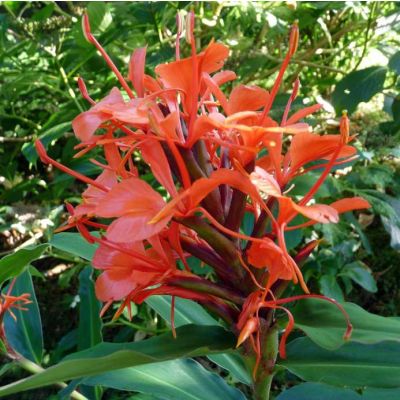
Red Ginger Lily Seeds (Hedychium rubrum)
Starting at US$2.20
Very uncommon ginger, who can be named jungle king (red flower), Tahitian ginger and ostrich plume. This plant is quite easy to care -
Alpinia Purpurata Seeds (Red Ginger Seeds)
Starting at US$2.00
Produces beautiful flowers and fruits. -
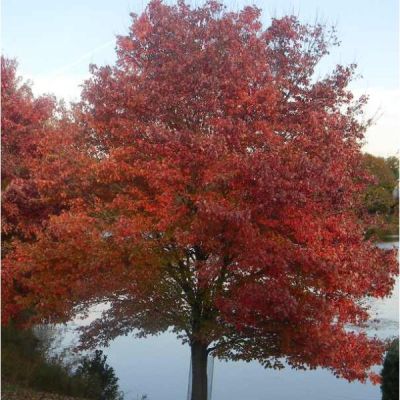
Red Maple Seeds (Acer Rubrum Seeds)
Starting at US$1.90
It tolerates ozone and is somewhat tolerant of sulfer dioxide, making it a good tree for urban areas. Great bonsai specimen. -
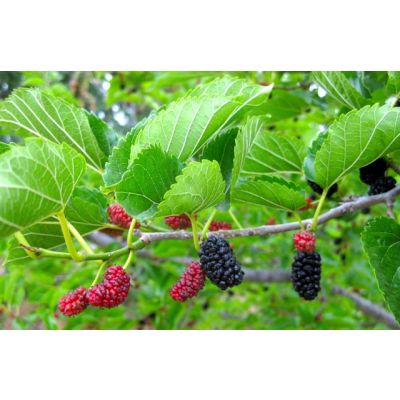
Morus Rubra Seeds (Red Mulberry Seeds)
Starting at US$2.90
The tree's value is derived from its abundant fruits, which are eaten by people, birds, and small mammals and is an excellent ornamental tree. -
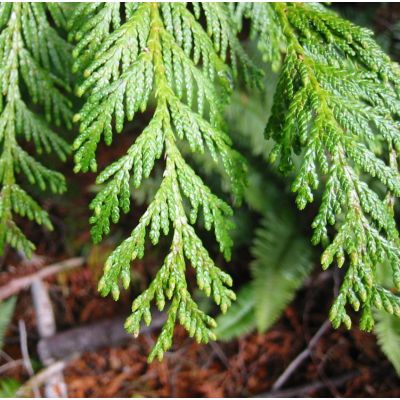
Western Red Cedar Seeds (Thuja plicata)
Starting at US$2.20
Tall, fragrant evergreen perfect for hedges, privacy screens, or windbreaks.
-
Red Clover Seeds (Trifolium pratense) *ORGANIC*
Starting at US$1.90
Can be used as a green manure crop. it is used as a green manure crop. Sold per gram (about 500 Seeds Per Gram (g) ) -
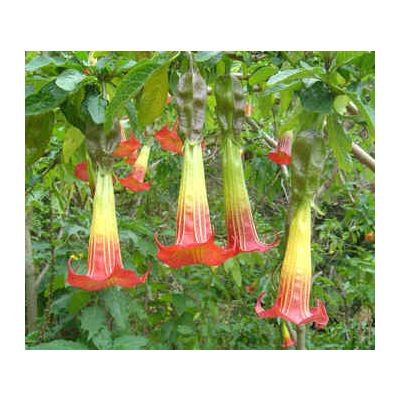
Brugmansia Sanguinea Seeds (Red Angel's Trumpet)
Starting at US$1.60
Fast grower that may be grown in containers or in the garden. -
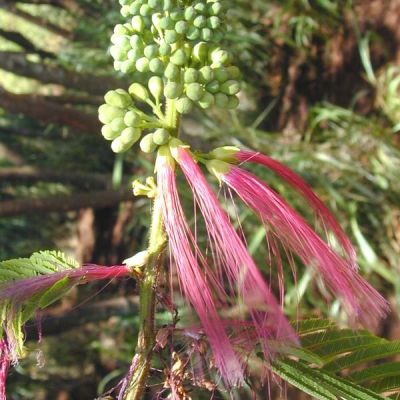
Calliandra Calothyrsus Seeds (Red Calliandra Seeds)
Starting at US$1.40
Multipurpose tree for humid location -
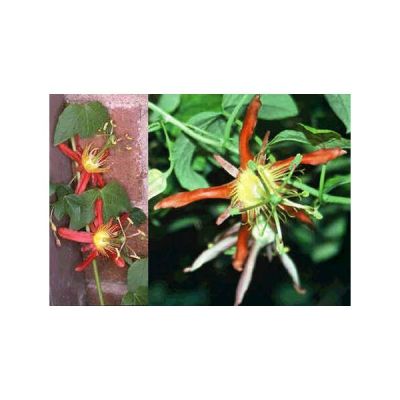
Passiflora Cinnabarina Seeds (Red Passion Flowers)
Starting at US$7.50
You may need to water your plants on a daily basis during the hottest Summer months. During the Winter the roots should be kept moist. -
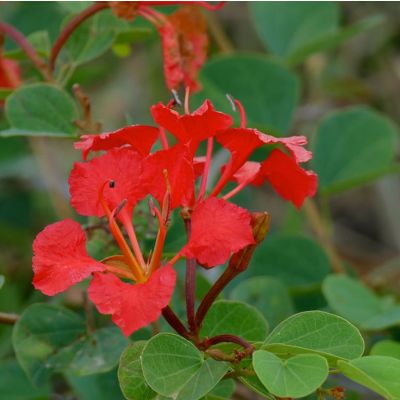
Bauhinia Galpinii Seeds (Red Orchid Tree Seeds)
Starting at US$1.90
Produces brick red flowers. Grow in full sun. -
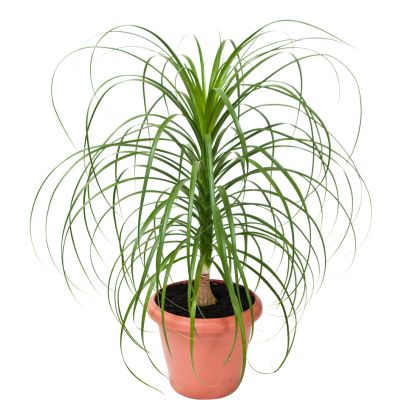
Beaucarnea Guatemalensis Seeds (Red Ponytail, Guatamala Ponytail)
Starting at US$1.90
Suitable for growing indoors. Can live for decades. -
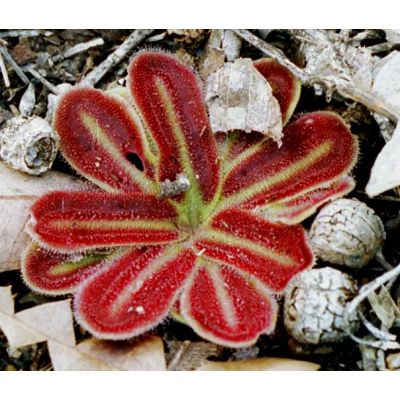
Drosera Erythrorhiza Squamosa Seeds (Red Ink Sundew)
Starting at US$3.60
Very rare carnivorous plant! -
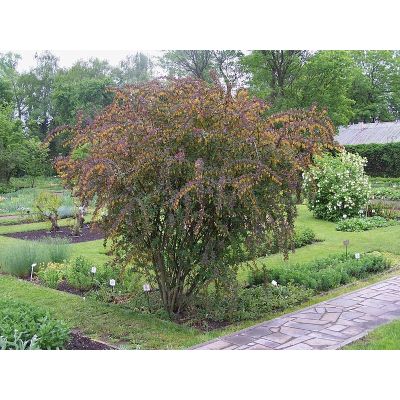
Berberis Thunbergii Atropurpurea Seeds (Japanese Red Barberry Seeds)
Starting at US$2.20
Beautiful red, yellow and green foliage in Spring through Summer. The spatulate leaves are deep red-burgundy in full sun. The fall color is a brilliant crimson-red. -
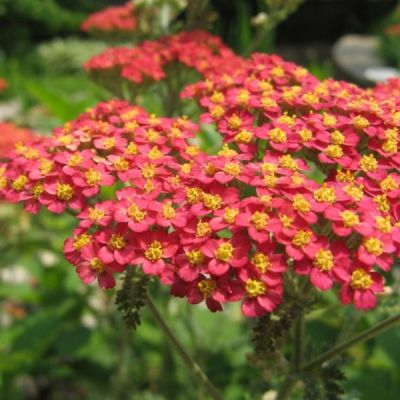
Achillea Millefolium Rubra Seeds (Rosy Red Yarrow Seeds)
Starting at US$1.90
Treat inflammations. Has an impact on the circulatory, digestive, excretory, and urinary systems. -
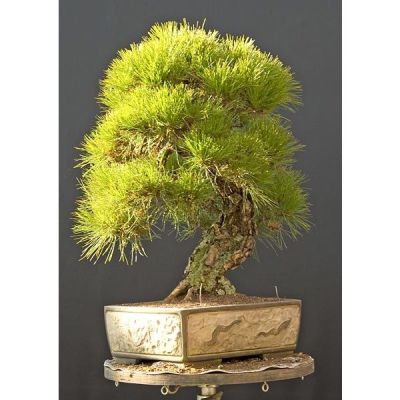
Pinus Densiflora Seeds (Japanese Red Pine Tree Seeds)
Starting at US$2.30
A distinguishing feature of this tree is the often crooked or sweeping trunk which shows reddish-orange peeling bark; very showy trunk. -
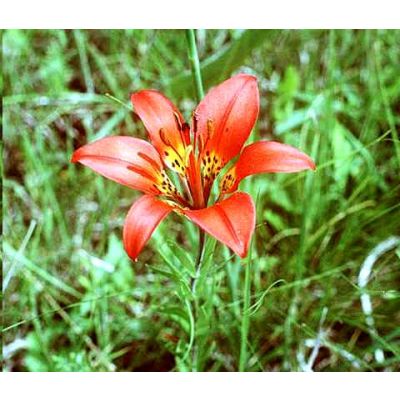
Lilium Philadelphicum Seeds (Wood Lily, Wester Red Lily Seeds)
Starting at US$1.70
Beautiful plant to see in masses. A definite favorite of people and Hummingbirds alike. -
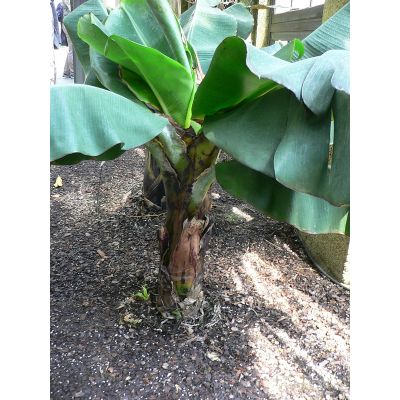
Musa Zebrina Seeds (Blood Banana Seeds, Red Banana Tree Seeds)
Starting at US$2.70
The orange yellow to red flowers can appear at anytime of the year as long as the plant is mature enough. Occasionally, it even produces small edible fruit with a reddish tint. -
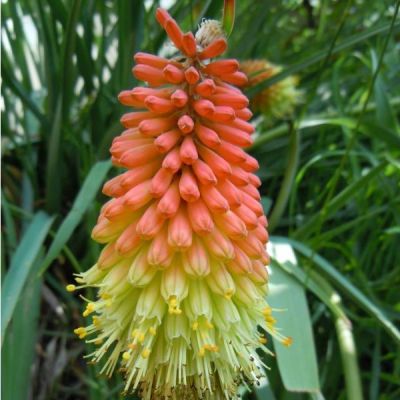
Tritoma Uvaria Seeds (Kniphofia Aloides Seeds, Red Hot Poker Seeds)
Starting at US$1.80
It is in leaf all year. Leaves in basal rosette, linear, grasslike, to 40 cm long, 2 cm broad, partially folded, appearing entire but with minute, sharp teeth along the margins. -
Sarracenia Rubra Gulfensis Seeds (Red Pitcher Plant, Sweet Pitcher Plant)
Starting at US$3.60
This species generally occurs inland. Recommended for conservatory or sunny windowsill. -
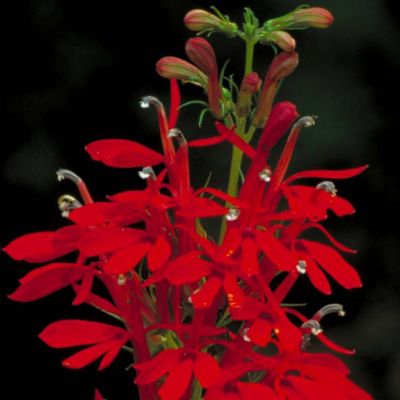
Cardinal Flower Seeds (Lobelia Cardinalis)
Starting at US$1.90
Each flower can range in size from 30-45 mm and contains five bright-red petals that are velvety in texture... -
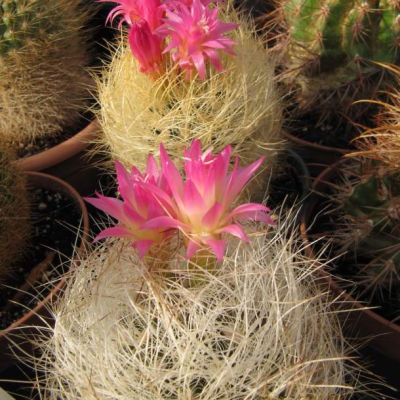
Eriosyce Senilis Seeds (Old-Man Cactus)
Starting at US$2.40
Rare Chilean cactus with silvery spines and striking red-pink flowers.
-
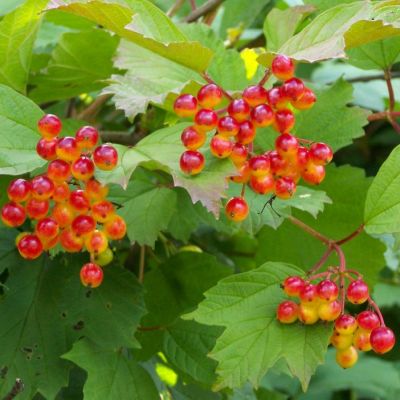
Guelder-Rose Seeds (Viburnum opulus)
Starting at US$1.90
Stunning clusters of white blooms and vibrant red berries that attract wildlife and enhance your landscape.
-
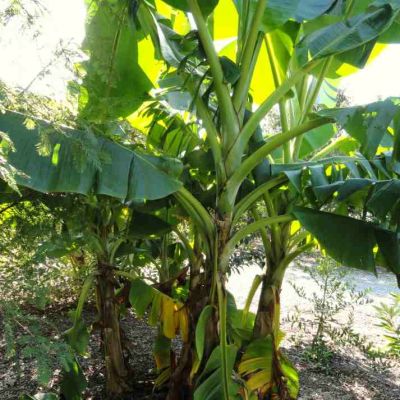
Musa Sikkimensis Seeds (Musa Darjeeling Banana Seeds)
Starting at US$2.90
Wow! Here's a unique chance to grow this new hardy species of Banana. This tree is an absolute novelty that shows great promise as an ornamental for the temperate as well as the cooler tropical garden. -
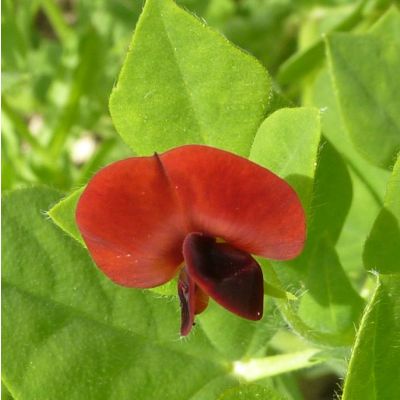
Lotus Tetragonolobus Seeds (Asparagus Pea, Winged Pea)
Starting at US$1.60
Also known as asparagus-pea, produces a profusion of prominent deep red flowers. -
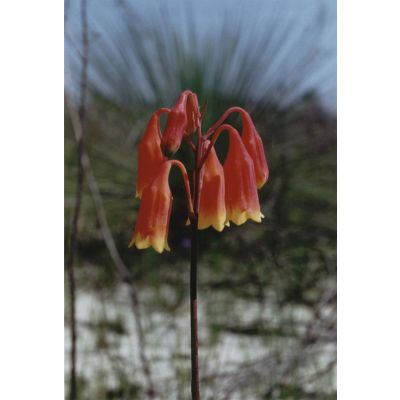
Blandfordia Grandiflora Seeds (Large Christmas Bells Seeds)
Starting at US$4.90
Blandfordia grandiflora has beautiful red waxy flowers with a yellow edge. Its bells vary from dark red with yellow edging to all yellow... -
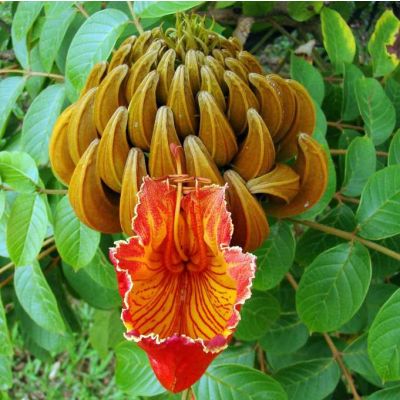
African Tulip Tree Seeds (Spathodea campanulata)
Starting at US$1.90
Tropical tree with striking orange-red flowers. Ideal for tropical climates, it grows quickly and provides dense shade.
-
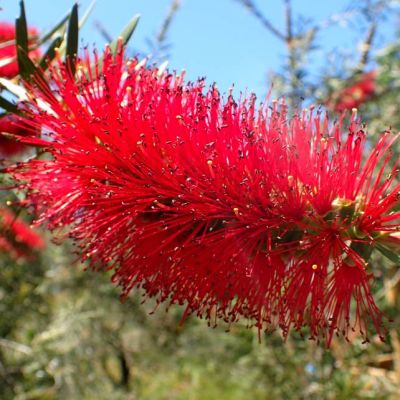
Narrow-Leaved Bottlebrush Seeds (Melaleuca linearis)
Starting at US$1.90
Drought-tolerant shrub with striking red, brush-like flowers and fine, aromatic foliage.
-
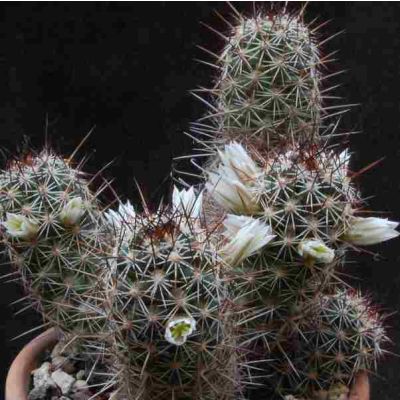
Mammillaria Capensis Seeds
Starting at US$1.90
Charming, compact cactus with bright pink to red flowers, perfect for container gardens and cactus collections.
-
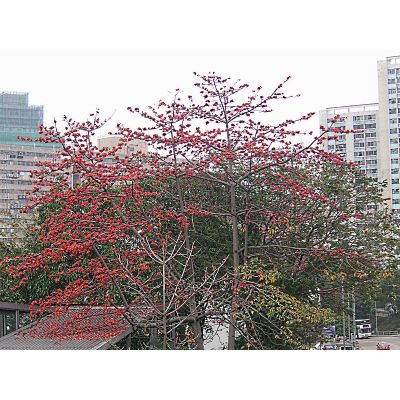
Cotton Tree Seeds (Bombax Ceiba)
Starting at US$2.20
Bombax ceiba, like other trees of the genus Bombax, is commonly known as cotton tree.